March 6, 2026 | by Admin
Childbirth changes your body. Age changes your body. Hormones definitely change your body.
Sometimes those changes show up in ways that are subtle but frustrating — a little looseness, unexpected leakage when you sneeze, dryness that wasn’t there before, or discomfort during intimacy.
For years, the options were simple: ignore it or consider surgery. Now there’s a third lane on the highway — and it involves laser technology.
At Petals Health, women exploring non-surgical cosmetic gynaecology treatment in Kolkata are discovering that modern laser procedures offer a practical solution without downtime. It’s not about chasing perfection.
Let’s walk through this calmly and clearly.
Why More Women Are Choosing Non-Surgical Options Now

Modern women don’t want unnecessary disruption. Between careers, families, social lives, and the general chaos of adulthood, scheduling weeks of surgical recovery feels unrealistic.
Non-surgical laser treatments work because they’re efficient and discreet. There are no external scars, no hospital admissions, and in most cases, you can resume daily activities the same day. Procedures like laser vaginal rejuvenation and non-surgical vaginal tightening are becoming popular not because they’re trendy, but because they make practical sense. Women want subtle, science-backed improvements — not extreme transformations.
Here’s the simple version: laser treatments stimulate collagen production inside vaginal tissues.
Collagen is the structural protein that keeps tissue firm and elastic. Over time — with childbirth, ageing, and hormonal shifts — collagen levels decrease. That’s when support weakens, dryness increases, and elasticity reduces.
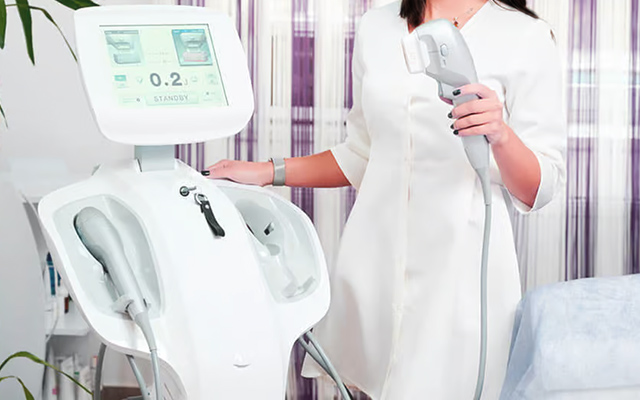
Laser technology delivers controlled light energy that gently activates your body’s natural repair process. It does not cut or remove tissue. It nudges your body to rebuild what has naturally declined.
Treatments such as laser vaginal tightening treatment and fractional CO2 vaginal laser create micro-level stimulation that increases blood flow and collagen regeneration. Over the next few weeks, tissues gradually become firmer and better supported.
Your body does the work. The laser reminds it.
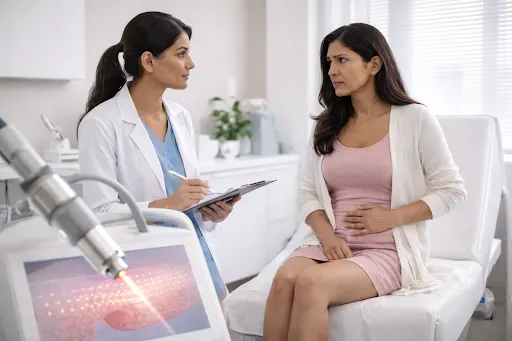
Let’s discuss what women are actually coming in for.
Pregnancy stretches tissues. While the body heals naturally, some women continue to feel a reduced level of tightness. For those seeking treatment for laxity after childbirth, laser therapy may support mild to moderate looseness without surgery. The goal isn’t extreme tightening; it’s improved support.
If laughing too hard feels like a calculated risk, you’re not alone. Early-stage stress incontinence may improve with laser treatment for urinary leakage, as the procedure strengthens supportive tissue around the urethra. However, it’s important to note that severe incontinence usually requires surgical intervention.
Hormonal shifts during breastfeeding, perimenopause, or menopause can reduce natural lubrication. Laser treatment for vaginal dryness works by improving blood circulation and tissue hydration, which may reduce irritation and discomfort over time.
When tissue health improves, comfort often improves too. That’s why these procedures are often categorised under intimate rejuvenation treatment. It’s less about cosmetic enhancement and more about feeling like yourself again — physically and emotionally.
Laser treatments are most effective for mild to moderate concerns. They work best when structural damage is limited, and the goal is tissue support rather than reconstruction.
A laser may be suitable if symptoms are early-stage, prolapse is not severe, and downtime needs to be minimal.
Surgery is usually recommended when there is significant pelvic organ prolapse, advanced urinary incontinence, or major structural correction required. This is why evaluation matters. Doctors from a reputable cosmetic gynaecology clinic will thoroughly assess before recommending any treatment.
This is usually the moment women lean forward and ask, “Okay, but what actually happens?”
A laser session typically lasts 20–30 minutes. You lie comfortably while a slim probe is gently inserted into the vaginal canal. Most women describe the sensation as mild warmth or light vibration rather than pain. Anaesthesia is generally not required, and you can usually go home immediately after.
Most treatment plans involve 2–3 sessions spaced several weeks apart. Collagen regeneration takes time, so improvements develop gradually over a few months. Maintenance sessions may be advised depending on age and symptom severity.
When performed by trained professionals, laser treatments are generally considered safe. Temporary side effects may include mild redness, light spotting, or slight swelling, which usually resolve quickly.
Women who are pregnant, have active infections, or certain untreated medical conditions may need to postpone treatment. Proper screening is essential. Any responsible clinic will conduct a full evaluation before proceeding.
Let’s manage expectations realistically. Some women notice subtle improvement within a few weeks, but more visible changes typically appear over two to three months as collagen production increases. Results tend to feel natural and gradual.
The vaginal rejuvenation cost depends on several factors, including the number of sessions required, the type of laser used, the doctor’s expertise, and the clinic’s facilities. Because treatment plans are personalised, pricing is best discussed during consultation. Transparent clinics will clearly explain what’s included — without exaggerated promises.
When women consider non-surgical cosmetic gynaecology treatment, they are not just choosing technology. They are choosing trust, discretion, and honest guidance.
At Petals Health, a reputable clinic for non-surgical cosmetic gynaecology treatment in Kolkata, laser procedures are recommended only after careful evaluation. The focus is on comfort, clarity, and appropriate care. Patients are informed about the benefits, limitations, and alternatives before making decisions.
Laser technology has introduced a practical middle ground in cosmetic gynaecology — an option between silence and surgery. It allows women to address mild to moderate concerns without major disruption to their lives.
If you’re considering non-surgical cosmetic gynaecology treatment in Kolkata, Petals Health offers medically supervised, discreet care as per individual needs. A consultation can clarify whether laser treatment is suitable for you.
Book a consultation today.
When performed by a qualified doctor after proper evaluation, it is generally considered safe. A consultation helps determine if you’re a suitable candidate based on your health condition.
Results are long-lasting but not permanent, as natural ageing continues. Some women may require maintenance sessions over time.
Laser may support mild stress urinary leakage by improving tissue strength. Severe cases usually require further medical or surgical evaluation.
Most women resume daily activities the same day. Doctors may advise temporary precautions such as avoiding intimacy for a short period.
Women who are pregnant, have active infections, or have untreated medical conditions should postpone treatment. A proper medical assessment is always necessary before proceeding.
Most women describe the sensation as mild warmth or light tingling rather than pain. Anaesthesia is usually not required, and discomfort is minimal.
Fitness
Health Clinic
Gynecology
Pregnancy
Diabetes
Health
Paediatrics
Health Tips
Arthritis
Allergy and Asthma
Menstrual Health
general
other
Cardiology
Geriatrics
Gastrointestinal
woman and child care
Infertility
Health Checkup
Cosmetic Gynaecology
Hymenoplasty
dermatology treatments
IVF Treatment
Fertility Treatment
Vaginal Rejuvenation
Vaginal Tightening
Aesthetic Treatment

From the Desk of PDG | Honorary Medical Director
Welcome to Petals Health Clinics, a modern family clinic chain designed around Families.
As your partners in health, we take pride in fostering a warm, family-centred environment where every individual feels heard, respected, and cared for.
Our primary focus is on building and sustaining healthy families. We believe that prevention is the cornerstone of good health, and we are dedicated to helping you take proactive steps toward a vibrant and fulfilling life. Through preventive healthcare, regular disease screenings, early detection, and health education, we strive to empower you with the knowledge and tools to make informed decisions about your well-being.
Whether it’s routine checkups, guidance on managing chronic conditions, or personalized advice on lifestyle and wellness, our team is here to partner with you on every step of your health journey.
Thank you for trusting us to be a part of your family’s health story. Together, we can build a foundation for lasting health and happiness.



 Ask a Doctor
 9147405955


