
Book a Service

Home / Woman & Child Care / Gynaecology

What is Gynaecology Treatment?

Gynaecology treatment focuses on diagnosing and treating conditions related to the female reproductive system, including issues with menstruation, fertility, pregnancy, and menopause. It also covers preventive care, such as screenings and routine check-ups, to ensure overall reproductive health.

From cramps to baby bumps, we’ve got you covered. At Petals Health, we provide expert gynaecological care with a personal touch. Ready to feel your best? Schedule your consultation today.


Types of Gynaecology Treatments

Menstrual Disorder Treatment

  • Management of heavy, painful, or irregular periods
  • Hormonal therapy and lifestyle modifications
  • Treatment for conditions like PCOS and endometriosis

Fertility Treatment

  • Assistance with conception through ovulation induction
  • IVF and IUI procedures
  • Management of male and female infertility

Pregnancy Care

  • Prenatal check-ups and screenings
  • High-risk pregnancy management
  • Labour and delivery support

Menopause Care

  • Hormone replacement therapy (HRT)
  • Symptom management for hot flashes, mood swings, etc.
  • Bone health and mental wellness support

Gynaecological Surgery

  • Minimally invasive surgeries (laparoscopy) for conditions like fibroids and cysts
  • Hysterectomy (removal of the uterus)
  • Pelvic reconstructive surgeries

Screening and Preventive Care

  • Pap smears and HPV testing
  • Breast exams and mammography
  • Counselling for family planning and contraception

Meet Our Best gynaecologists

DR. SMITA GUTGUTIA

MBBS & DGO | SATURDAY

DR. SHUBHRA PAUL GHOSH

DR. SHUBHRA PAUL GHOSH

MBBS, MD | TUES/FRI

DR. ASMA PARVEEN

MBBS, DGO | MON, TUES, WED, FRI

Dr. SEEMA SURANA

MBBS, DGO | WED/FRI

Dr. RANU DEBNATH

MBBS,MD(GYNAE OBS) | Thursday

Dr.Bidisha Banerjee

MBBS, MS | WED, THURS (6PM-8PM(BY APPOINTMENT))

Dr. NABANITA DASGUPTA

MBBS. DGO. DNB | SUN | 10:00 AM – 12 NOON

DR. PRACHI SHARDA

MBBS,M.S | MON-FRI | 11:00 AM – 2:00 PM
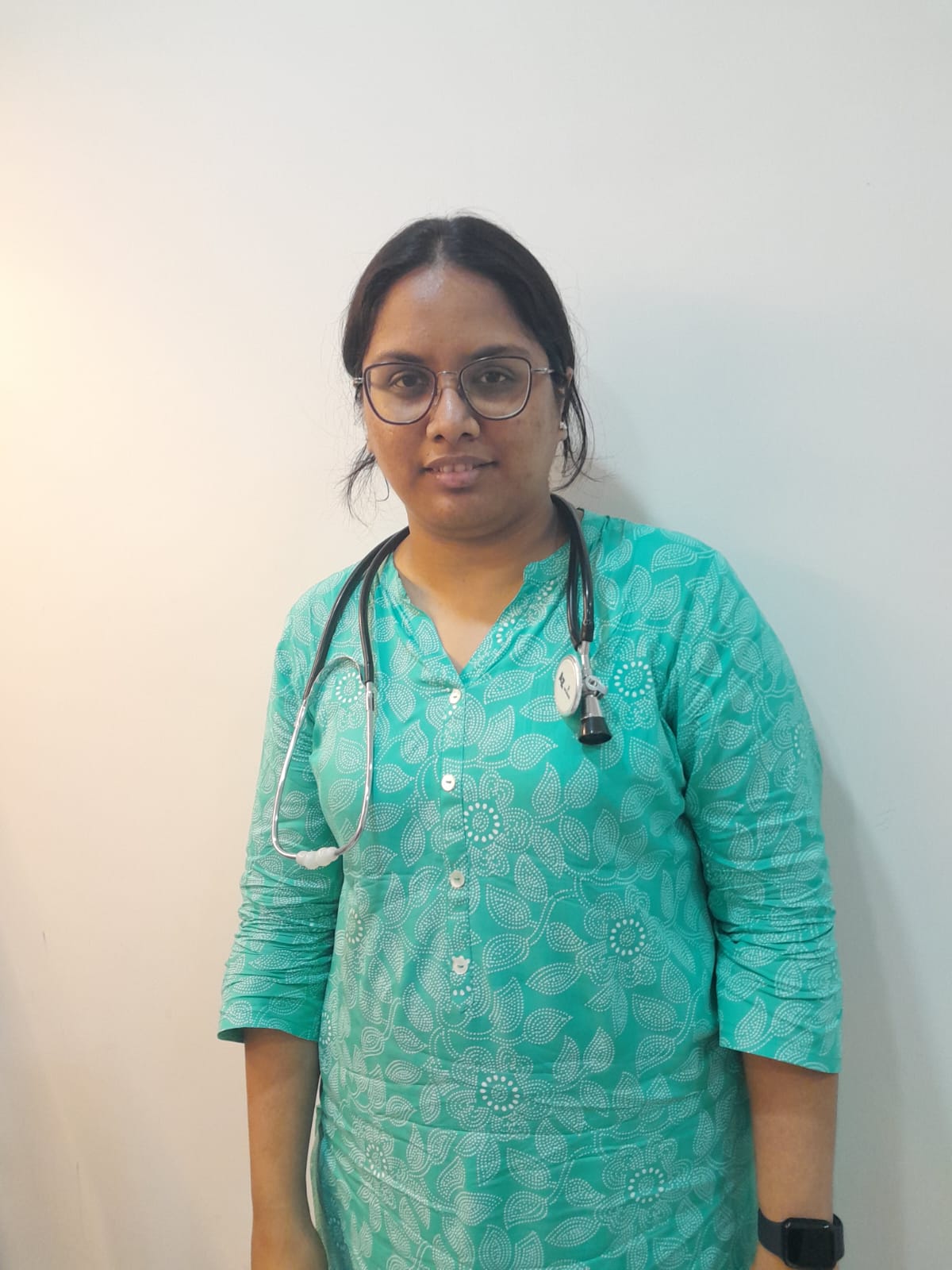
DR SANJANA JAIN

MBBS,MS,DNB | MON-FRI | 1:00 PM – 6:00 PM

DR VIPANCHI TALUKDAR

MBBS, DGO, DIP N B | MON,TUE,WED,FRI,SAT | 4PM-6PM
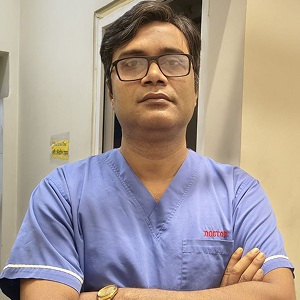
DR.SHYAMAL KUMAR DEBNATH

DR.SHYAMAL KUMAR DEBNATH

MBBS, DGO (CAL) | MON & THURSDAY 4PM-6PM

DR. SOUMITRA KUMAR

DR. SOUMITRA KUMAR

MBBS, DGO, MD(Gynae & Obs) | Tues/Thurs/Sat 2:00 pm – 4:00 pm

DR. SUBHASH CH BISWAS

DR. SUBHASH CH BISWAS

MBBS (Cal), MD (PGI), FICOG, FIMSA, FMAS | Tuesday 04:00 pm – 6:00 pm

DR. SOUMITRA KUMAR

DR. SUCHISMITA CHOWDHURY

MBBS, DNB (Obs & Gynae) | By Appoinment

DR. SUPARNA BISWAS

DR. SUPARNA BISWAS

MBBS, MS(G & O) PGIMER | FMAS, FICRS, BLS-ACLS Certified (AHA) | By Appoinment

DR. AMIT MONDAL

DR. AMIT MONDAL

MBBS, MS, DNB, MCH Gynaecologic Oncology | By Appoinment

DR. SANJANA JAIN

DR. SANJANA JAIN

MBBS , MS, DNB | Mon – Sat 3.00 pm – 6.00 pm

DR. SANJANA JAIN

DR. JYOTI JAISWAL

MBBS , DGO | Mon – Fri 11.00 am – 5.00 pm

Who Should Consider Gynaecology Treatment?

  • Women experiencing irregular or painful periods
  • Those facing difficulties with fertility or conceiving
  • Women going through menopause or experiencing symptoms like hot flashes
  • Expectant mothers who need prenatal or postnatal care
  • Individuals with reproductive health concerns like PCOS or endometriosis
  • Women needing routine screenings for breast health or cervical cancer
  • Anyone seeking contraception advice or family planning solutions

Why Choose Petals Health?

    ✓ Advanced diagnostic facilities
    ✓ Comprehensive gynaecologist treatment
    ✓ Minimally invasive surgical options
    ✓ Private consultation rooms
    ✓ Same-day appointments available
    ✓ Expert nursing support
    ✓ 24/7 emergency support

Treatment Process

Step-1

Initial Consultation

The gynaecologist listens to your concerns, discusses your medical history, and performs a physical examination.

Step-2

Diagnosis

The doctor may recommend diagnostic tests like ultrasounds, blood tests, Pap smears, or pelvic exams.

Step-3

Treatment Plan Discussion

Based on the diagnosis, the doctor will explain your treatment options depending on the condition.

Step-4

Treatment Implementation

The selected treatment plan involves prescribed medications, hormonal therapies or surgical procedures.

Step-5

Follow-up Appointments

After the treatment begins, follow-up appointments will be scheduled to monitor your progress.

Recovery Timeline after Gynaecology Treatment

1–3 Days

Immediately after treatment, it’s important to rest and avoid any strenuous activities.

1–2 Weeks

During this phase, you can gradually return to your normal daily activities.

2–6 Weeks

Most women can resume light physical activity during this period.

1–3 Months

Full recovery is expected by this stage, although you may still be under observation.
Risks & Safety Measures

Risks

  • Bleeding or spotting, especially after surgeries or procedures
  • Allergic reactions to medications or anaesthesia
  • Scarring or adhesions, particularly after surgeries
  • Hormonal imbalances leading to mood swings or irregular periods
  • Damage to surrounding tissues or organs during surgical procedures
  • Delayed healing or wound complications
  • Blood clots, especially after prolonged bed rest or surgery
  • Pain or discomfort during the recovery period

Safety Measures

  • Avoid strenuous physical activities or heavy lifting during recovery.
  • Keep the treatment area clean and follow hygiene instructions to prevent infection.
  • Attend all follow-up appointments to monitor progress and catch any complications early.
  • Rest as needed, but gradually incorporate light activities like walking.
  • Stay hydrated and maintain a balanced diet to support healing.
  • Avoid smoking and alcohol consumption, as they can hinder recovery.
  • Wear loose, comfortable clothing to avoid irritation around the treatment area.
  • Reach out to the doctor if you experience unusual pain, swelling, or bleeding.

Frequently Asked Questions

Severe pelvic pain can indicate complications, such as infection or injury. Contact the doctor immediately if the pain is persistent or worsens.

Light spotting can be normal, especially after procedures like biopsies or surgeries, but heavy bleeding should be reported to your doctor.

Hormonal treatments or procedures may cause temporary irregularities. If the irregularities persist beyond a few months, consult your doctor for further evaluation.

Fatigue is a common side effect during recovery. However, if it doesn’t improve with rest, or if it is accompanied by other symptoms, let your doctor know.

Mild swelling is common, but if it becomes severe or is accompanied by redness, warmth, or pain, contact your doctor immediately to rule out infection.

Book a Consultation

    Phone WhatsApp WhatsApp Email