Home / Family Medicine / Cardiology
Cardiac treatment refers to medical interventions aimed at diagnosing, managing, and treating heart-related conditions such as heart disease, arrhythmias, heart attacks, and high blood pressure. It includes a range of therapies, from lifestyle changes and medications to advanced surgical procedures like angioplasty or heart bypass surgery, aimed at improving heart health and overall well-being.
From prevention to recovery, our team at Petals Health is committed to providing the best care for your heart every step of the way. Don’t wait—prioritise your heart health today. Schedule a consultation with our expert cardiologists at Petals Health now.









MBBS,MD(Gen Med),DM (Cardiologist) | TUES | 11:30 AM – 12:30 PM
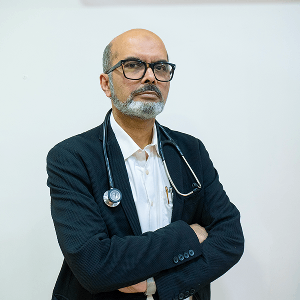
Consultant, Cardio-Metabolic disorders | (Special interest in preventive
cardiology)

MBBS,MD(GEN MED),DNB(Cardio) | WED | 4:00 PM – 5:00 PM

MBBS, MD, MRCP | Tue | Thurs | Sat 9:00 am – 11:00 am
MBBS, MD | Mon – Sat By Appoinment
Step-1
A detailed discussion of your medical history and a physical examination to assess heart health.
Step-2
A series of tests, such as ECG, echocardiogram, and stress tests, to identify heart conditions.
Step-3
The cardiologist creates a personalised treatment plan based on diagnostic results and your specific needs.
Step-4
Medications and lifestyle changes, like diet and exercise, to manage heart conditions and improve heart health.
Step-5
Interventions like angioplasty, bypass surgery, or pacemaker implantation to treat severe heart conditions.
Step-6
Regular visits to track your heart health progress and adjust treatment if needed.
Step-7
A structured program with exercise and education to aid recovery and improve heart function after treatment.
Step-6
Ongoing care, including medication and regular check-ups, to prevent future heart problems and maintain heart health.
Initial recovery with hospital monitoring of vital signs.
Light activities may begin, with continued rest.
Gradual return to light activities and follow-up consultations.
Return to normal activities with mild chest discomfort.
Increased physical activity and cardiac rehabilitation.
Full return to normal activities with regular check-ups.
Ongoing management through lifestyle changes and regular follow-ups.



From the Desk of PDG | Honorary Medical Director
Welcome to Petals Health Clinics, a modern family clinic chain designed around Families.
As your partners in health, we take pride in fostering a warm, family-centred environment where every individual feels heard, respected, and cared for.
Our primary focus is on building and sustaining healthy families. We believe that prevention is the cornerstone of good health, and we are dedicated to helping you take proactive steps toward a vibrant and fulfilling life. Through preventive healthcare, regular disease screenings, early detection, and health education, we strive to empower you with the knowledge and tools to make informed decisions about your well-being.
Whether it’s routine checkups, guidance on managing chronic conditions, or personalized advice on lifestyle and wellness, our team is here to partner with you on every step of your health journey.
Thank you for trusting us to be a part of your family’s health story. Together, we can build a foundation for lasting health and happiness.



 Ask a Doctor
 9147405955