Book a Service

Home / Family Medicine / Gastroenterology

What is Gastroenterology Treatment?

Gastroenterology treatment focuses on diagnosing and treating disorders related to the digestive system, including the stomach, intestines, liver, and pancreas. From chronic conditions like acid reflux and IBS to complex diseases such as liver cirrhosis, gastroenterology offers comprehensive care to improve digestive health and overall well-being.

If you’re experiencing digestive issues or simply want to ensure your gut health is on track, professional care is essential. Schedule an appointment at Petals Health.

Types of Gastroenterology Treatment

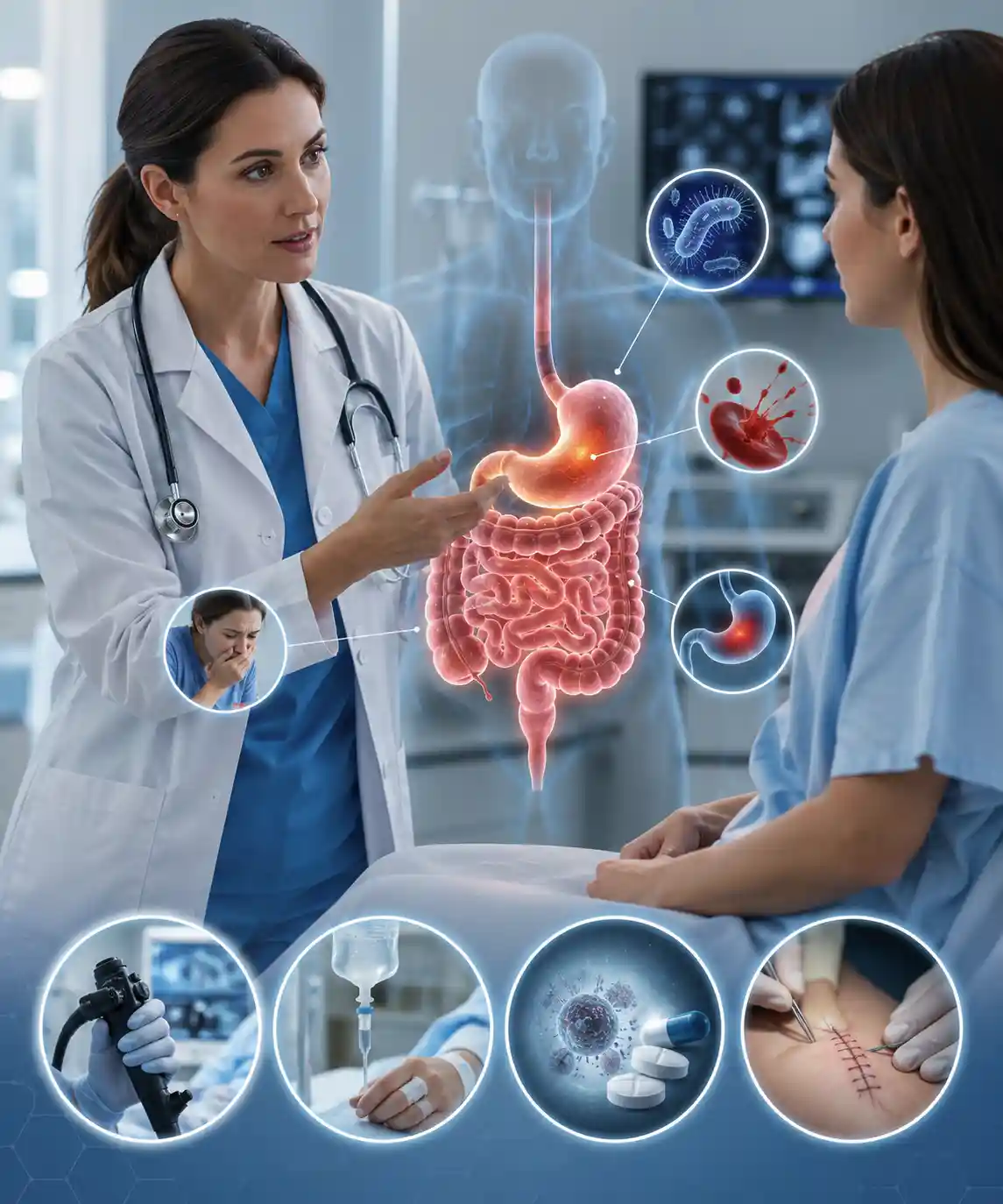
Endoscopy

  • A minimally invasive procedure to examine the digestive tract.
  • Used to diagnose conditions like ulcers, inflammation, or cancer.
  • Can also be used for biopsy and treatment of certain conditions (e.g., bleeding ulcers).

Colonoscopy

  • A diagnostic procedure for detecting colon cancer, polyps, and inflammatory bowel diseases.
  • Recommended regularly for individuals over 50 or those with a family history of colorectal issues.
  • Allows for biopsy or removal of abnormal growths.

Liver Disease Treatment

  • Includes management of chronic liver diseases such as cirrhosis, hepatitis, and fatty liver.
  • Treatments range from lifestyle changes and medications to liver transplantation in severe cases.
  • Regular monitoring and blood tests are key to managing liver health.

IBS (Irritable Bowel Syndrome) Management

  • A comprehensive approach including dietary changes, medications, and stress management.
  • Focuses on alleviating symptoms like bloating, cramps, and irregular bowel movements.
  • Treatment is often personalised based on the severity and type of symptoms.

Gastroesophageal Reflux Disease (GERD) Treatment

  • Medications to reduce stomach acid and prevent acid reflux.
  • Lifestyle changes such as diet modification and weight management.
  • In severe cases, surgery or endoscopic procedures may be considered.

Inflammatory Bowel Disease (IBD) Treatment

  • Treatment for chronic conditions like Crohn’s disease and ulcerative colitis.
  • Includes anti-inflammatory medications, immunosuppressants, and sometimes surgery.
  • Focuses on managing flare-ups and maintaining long-term remission.

Meet Our Gastroenterologists

DR. NIKHIL SONTHALIA

DR. NIKHIL SONTHALIA

MBBS, MD, DM(GASTRO).DNB (GASTRO)MNAMS, FASGE(USA), MRCP-SCE (UK) | MON, THRUS | 6:00 PM – 8:00 PM

DR. A K PAL

DR. A K PAL

MBBS, MD, MNAMS, MS | Mon – Sat By Appoinment

Is Your Digestive Health in Check? Take Our Gastro Quiz to Find Out

Question 1 of 6

Why Choose Petals Health?

    ✓ State-of-the-art endoscopy centre
    ✓ Latest diagnostic equipment
    ✓ Zero waiting appointments
    ✓ Comprehensive care
    ✓ Patient-Centric approach
    ✓ Cost-friendly treatment plans
    ✓ Quick relief
    ✓ No long hospital stays

Step-by-Step Guide to Gastroenterology Treatment

Step-1

Initial Consultation

Discuss symptoms and medical history with the gastroenterologist.

Step-2

Diagnostic Testing

Tests like blood work or endoscopy to identify the condition.

Step-3

Diagnosis and Treatment Plan

Create a personalised treatment plan based on the diagnosis.

Step-4

Medication or Therapy

Prescribe medications or therapies to manage the condition.

Step-5

Lifestyle and Dietary Changes

Recommend changes to support treatment and prevent flare-ups.

Step-6

Follow-Up Care

Monitor progress and adjust treatment as needed.

Recovery Timeline after Gastroenterology Treatment

0-2 Weeks

Monitoring for complications and pain management begins. Initial recovery takes place with rest and medication.

3-4 Weeks

Rest at home with gradual mobility. Discomfort should decrease, but follow-up appointments for wound care and infection checks are necessary.

5-6 Weeks

Most patients can return to light daily activities. Energy levels improve, but strenuous tasks and heavy lifting should still be avoided.

2-3 Months

Significant healing has occurred. Some residual discomfort may remain, but many individuals can return to full activities with minor restrictions.

3-6 Months

Full recovery is typically reached, though a few lingering symptoms may remain. Long-term management and follow-ups for chronic conditions like IBS or IBD continue.
Risks & Safety Measures

Risks

  • Infection at the procedure site (especially after surgery or endoscopy)
  • Bleeding during or after a procedure (e.g., colonoscopy, biopsy)
  • Damage to surrounding organs during invasive procedures
  • Perforation of the digestive tract (rare, but possible in some procedures)
  • Adverse reactions to medications, including side effects from antibiotics or pain relievers
  • Nausea or vomiting as a reaction to anaesthesia or medications
  • Stricture formation (narrowing of the digestive tract) after surgery or inflammation
  • Post-operative pain or discomfort, especially after surgical interventions
  • Delayed healing or scarring, which may require further treatment or monitoring

Safety Measures

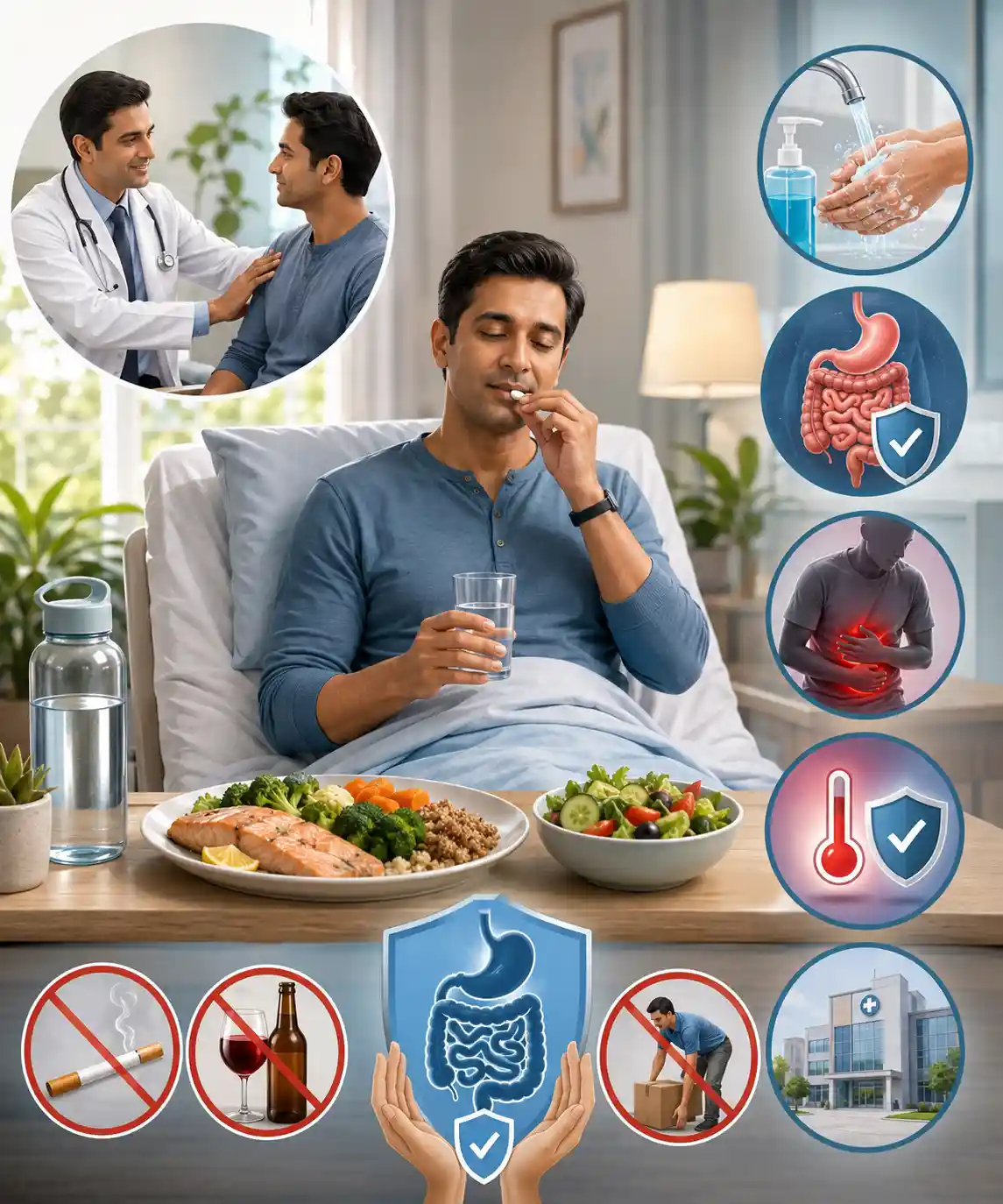
  • Follow prescribed medications and take them as directed to prevent complications or infection.
  • Stay hydrated and maintain a balanced diet to support healing.
  • Avoid heavy lifting or strenuous physical activities for a specified period.
  • Monitor for signs of infection, such as fever, redness, or swelling at the procedure site.
  • Attend follow-up appointments to check for any complications or recurrence of symptoms.
  • Rest and avoid stress to support recovery, especially after invasive treatments or surgeries.
  • Limit alcohol consumption and avoid smoking, as both can interfere with healing.
  • Practice good hygiene to prevent infection, especially after endoscopic or surgical procedures.
  • Report any unusual symptoms, such as persistent pain, nausea, or changes in bowel movements, to the doctor immediately.

Frequently Asked Questions

An endoscopy is a procedure where a flexible tube with a camera is inserted into the digestive tract to diagnose and treat conditions like ulcers, inflammation, or cancer.

Lifestyle changes, including a healthy diet, regular exercise, stress management, and avoiding triggers, can help prevent or manage digestive disorders like acid reflux and irritable bowel syndrome (IBS).

Eating a balanced diet rich in fibre, drinking plenty of water, exercising regularly, avoiding smoking and excessive alcohol, and managing stress can improve overall digestive health.

For most people, a colonoscopy is recommended starting at age 50 and repeated every 10 years. However, individuals with a family history of colorectal cancer or other risk factors may need to get screened earlier or more frequently.
Recovery time for most people is minimal, with many resuming normal activities within 24 hours. However, any sedative used during the procedure may require a few hours to wear off, so rest is advised.

Book a Consultation

    Phone WhatsApp WhatsApp Email