December 29, 2025 | by Admin
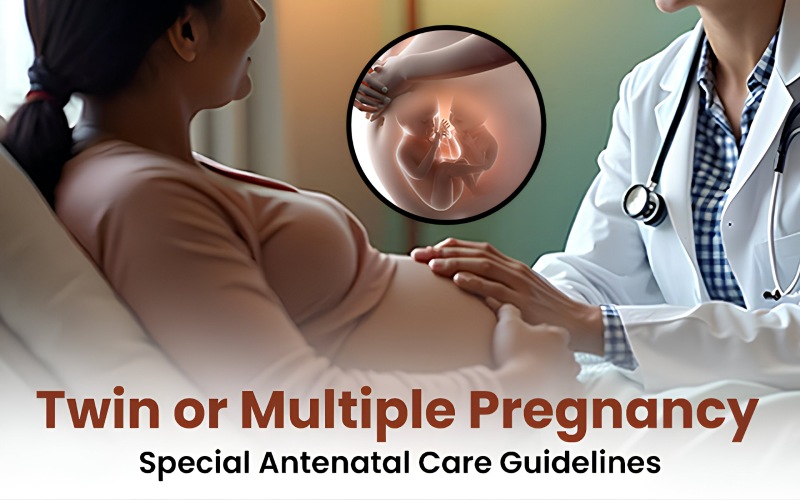
Carrying twins or more can be exciting yet challenging. It requires special care and medical attention throughout pregnancy. An antenatal care clinic helps mothers with expert guidance and close monitoring to ensure a safe outcome. In this blog, we’ll explore essential guidelines for managing twin or multiple pregnancies effectively.
Before we dive into the guidelines, let’s take a deeper look into the types of multiple pregnancies and their risk factors.
Twin and multiple pregnancies occur when more than one baby grows in the womb. They may be identical (from one egg) or fraternal (from separate eggs). Identifying the type early helps plan personalised twin pregnancy antenatal care.
Common twin pregnancy risk factors include fertility treatments, family history, and maternal age above 30. Women who conceive through IVF also face a higher chance of multiple pregnancies.
Early and consistent antenatal care for twins ensures better monitoring. Clinics focus on detecting risks like anaemia, preterm labour, and multiple pregnancy complications. Mothers receive a tailored antenatal care checklist for twins to manage each trimester safely.
In the first trimester, doctors confirm the number of babies and identify chorionicity and amnionicity. This helps assess shared placenta or amniotic sacs, vital for detecting twin-to-twin transfusion syndrome (TTTS).
In the second trimester, the twin pregnancy ultrasound schedule becomes more frequent. It helps track fetal growth and detect signs of fetal growth restriction.
In later stages, doctors prepare the mother for delivery. Continuous fetal monitoring ensures both babies remain healthy until birth.
This early test helps assess shared placenta risks. It is a crucial part of multiple pregnancy guidelines and influences management strategies.
Regular scans detect uneven growth patterns. Early detection prevents complications related to twin pregnancy and preterm birth.
TTTS occurs when blood flows unevenly between twins sharing a placenta. Frequent ultrasound and Doppler studies help in timely intervention.
Mothers need higher calorie and protein intake. A balanced twin pregnancy diet and nutrition plan supports healthy fetal growth.
Iron and folic acid supplements are essential to prevent anaemia. Regular haemoglobin checks ensure adequate oxygen supply to both babies.
Adequate hydration and light exercises improve blood circulation. Specialists at an antenatal care clinic guide safe prenatal workouts.
Progesterone therapy helps reduce preterm birth risks. Regular cervical scans detect early shortening and allow timely treatment.
Doctors may recommend partial bed rest or reduced physical strain. These measures lower uterine pressure and prevent premature labour.
Close follow-up ensures immediate action if preterm labour signs appear. This proactive approach saves both the mother and the babies.
Delivery depends on the baby’s position and health. Some mothers deliver naturally, while others may need a C-section.
A team of obstetricians, neonatologists, and anaesthetists manages multiple pregnancy delivery options to ensure safety.
Mothers receive follow-up care to prevent infection, bleeding, and fatigue. Newborns undergo health checks in the NICU if needed.
Carrying twins can be emotionally draining. Clinics offer mental health counselling to manage stress and anxiety.
Family counselling sessions prepare partners to provide practical and emotional support.
Therapists at fetal and antenatal care clinics offer continuous emotional support throughout pregnancy.
A well-structured antenatal plan ensures safer multiple pregnancies. With expert care, early monitoring, and nutritional support, mothers can effectively reduce risks. If you are expecting twins or more, visit Petals Family Clinic, a trusted antenatal care clinic in Kolkata for complete care from conception to delivery.
We have clinics across Kolkata for your convenience. Book an appointment at your nearest one today.
Doctors recommend scans every two to four weeks to monitor growth and fluid levels.
Include iron, protein, calcium, and folate-rich foods. Stay hydrated and eat small, frequent
meals.
Yes. Twins have a higher chance of early delivery. Regular care helps prevent complications.
Anaemia, TTTS, preterm birth, and high blood pressure are common risks.
Doctors usually plan delivery between 36 and 38 weeks, depending on health conditions.
Fitness
Health Clinic
Gynecology
Pregnancy
Diabetes
Health
Paediatrics
Health Tips
Arthritis
Allergy and Asthma
Menstrual Health
general
other
Cardiology
Geriatrics
Gastrointestinal
woman and child care
Infertility
Health Checkup
Cosmetic Gynaecology
Hymenoplasty
dermatology treatments
IVF Treatment
Fertility Treatment
Vaginal Rejuvenation
Vaginal Tightening
Aesthetic Treatment

From the Desk of PDG | Honorary Medical Director
Welcome to Petals Health Clinics, a modern family clinic chain designed around Families.
As your partners in health, we take pride in fostering a warm, family-centred environment where every individual feels heard, respected, and cared for.
Our primary focus is on building and sustaining healthy families. We believe that prevention is the cornerstone of good health, and we are dedicated to helping you take proactive steps toward a vibrant and fulfilling life. Through preventive healthcare, regular disease screenings, early detection, and health education, we strive to empower you with the knowledge and tools to make informed decisions about your well-being.
Whether it’s routine checkups, guidance on managing chronic conditions, or personalized advice on lifestyle and wellness, our team is here to partner with you on every step of your health journey.
Thank you for trusting us to be a part of your family’s health story. Together, we can build a foundation for lasting health and happiness.


 Ask a Doctor
 9147405955


