Home / Aesthetic Treatments / Melasma
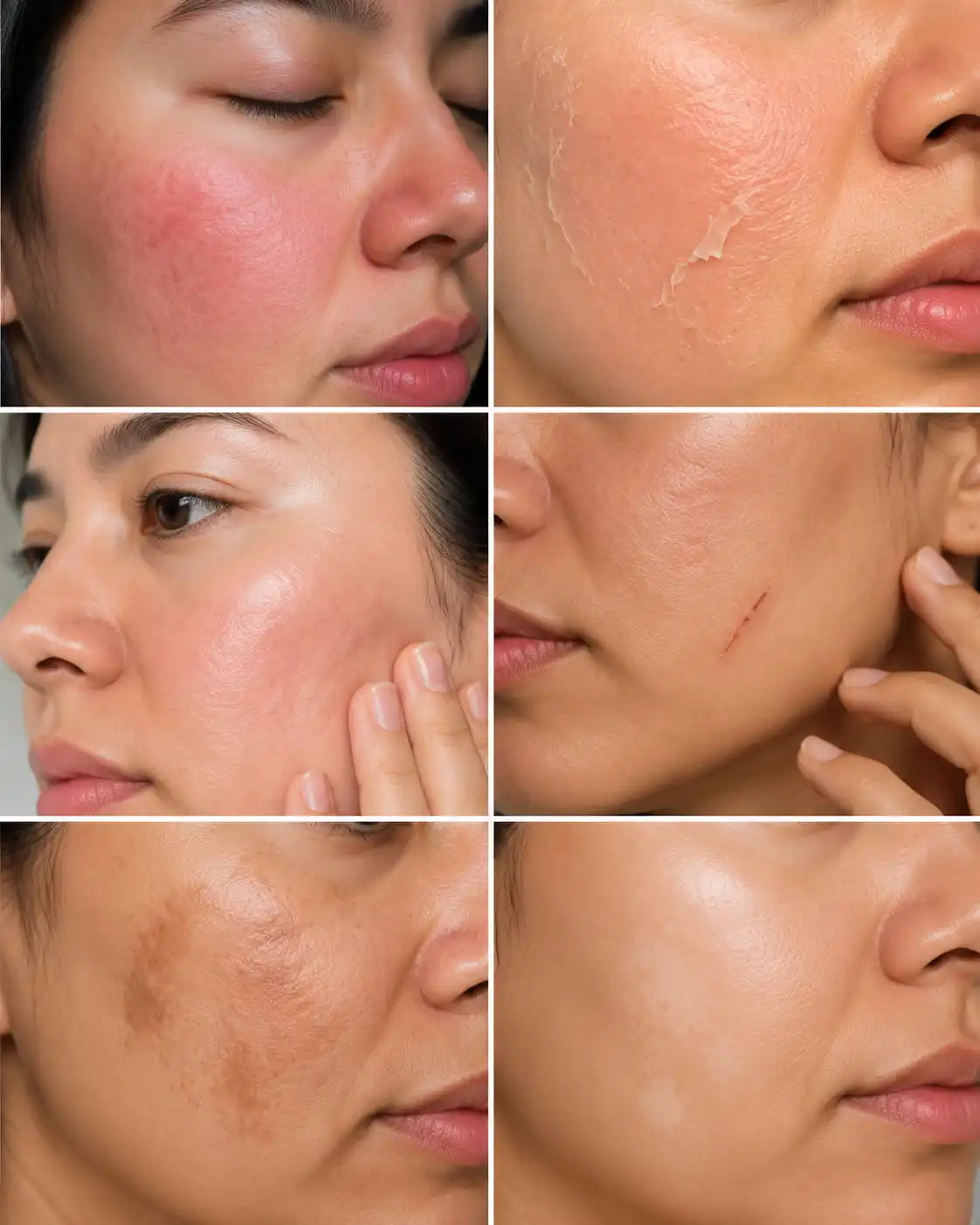
Melasma treatment focuses on reducing dark, discoloured patches on the skin caused by hormonal changes or sun exposure. Through a combination of topical treatments, laser therapy, and proper skincare, melasma can be effectively managed, revealing a clearer, more even skin tone.
Spots getting in the way of your glow? It’s time to hit refresh on your skin. At Petals Health, we specialise in personalised treatments that target melasma. Consult our experts now and let us help you rediscover your skin’s natural radiance.




| Treatment Option | Best For |
|---|---|
| Topical Creams | Mild to moderate melasma |
| Chemical Peels | Moderate melasma with thicker patches |
| Laser Treatments | Deep melasma or stubborn spots |
| Microneedling | Melasma with scarring or texture issues |
Step-1
A skincare expert evaluates your melasma and recommends a personalised treatment plan.
Step-2
A treatment strategy is created, combining topical and procedural treatments.
Step-3
Prescription creams are introduced to lighten dark spots and even out skin tone.
Step-4
Chemical peels or lasers target pigmentation for quicker, more effective results.
Step-5
Proper skincare and sun protection are crucial to maintaining results.
Step-6
Regular check-ups ensure progress and allow for necessary treatment adjustments.
Step-7
Ongoing treatments and sun protection help preserve clear, even skin.
You may experience mild swelling, redness, or tenderness at the treatment site.
Swelling and discomfort should begin to subside. Continue to avoid heavy exercise.
Any soreness or swelling will likely be gone. You can resume light activities.
Most patients feel completely healed by now. Minor sensitivity may remain.
Expect improved tissue tone and intimate health, with improvements over time.


From the Desk of PDG | Honorary Medical Director
Welcome to Petals Health Clinics, a modern family clinic chain designed around Families.
As your partners in health, we take pride in fostering a warm, family-centred environment where every individual feels heard, respected, and cared for.
Our primary focus is on building and sustaining healthy families. We believe that prevention is the cornerstone of good health, and we are dedicated to helping you take proactive steps toward a vibrant and fulfilling life. Through preventive healthcare, regular disease screenings, early detection, and health education, we strive to empower you with the knowledge and tools to make informed decisions about your well-being.
Whether it’s routine checkups, guidance on managing chronic conditions, or personalized advice on lifestyle and wellness, our team is here to partner with you on every step of your health journey.
Thank you for trusting us to be a part of your family’s health story. Together, we can build a foundation for lasting health and happiness.



 Ask a Doctor
 9147405955