March 15, 2025 | by Admin
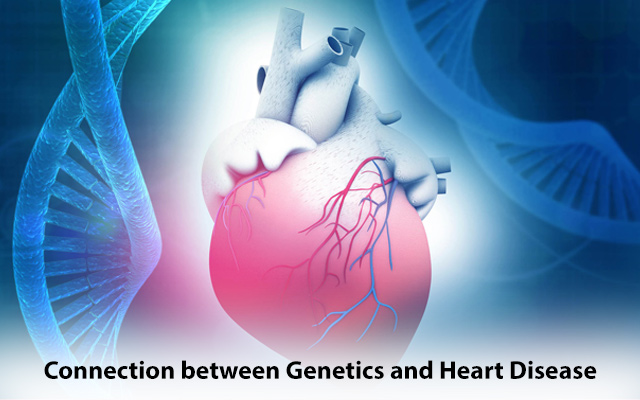
Heart disease is one of the main causes of death worldwide. Lifestyle factors like smoking, poor diet and lack of exercise can play a vital role in the development of heart disease. However, genetics can also contribute to the development of heart disease. Below, we will explore the connection between the two.
Genetics can cause heart disease in various ways. Here, we have mentioned some of them.
1. Inherited Risk Factors: Many people have inherited risk factors that put them at an increased risk of heart disease. These factors include high cholesterol, high blood pressure and obesity which can cause the development of heart disease. For example, if one or both parents have high cholesterol levels, their children may also experience similar issues.
2. Genetic Mutations: Some genetic mutations can contribute to the risk of heart disease. Some individuals inherit a mutation that results in high cholesterol levels and puts individuals at a heightened risk of cardiovascular events like heart attacks. In these cases, the body’s ability to process low-density lipoprotein (LDL) or bad cholesterol can lead to dangerous build-up of cholesterol in the arteries. Other genetic conditions can also affect the heart’s connective tissues, increasing the risk of aneurysms.
3. Genetic Variations: Apart from genetic disorders, some genetic variations can also put someone at risk of heart disease. As per research, various genetic variations that are associated with processes like inflammation, lipid metabolism, vascular health and blood clotting can cause heart disease. However, these genetic variations are not directly responsible for the development of cardiac disease. This is because only when these genetic variations are combined with environmental factors like poor diet, smoking and lack of exercise, it can result in heart disease.
Some of the ways by which you can manage your genetic risk factors are listed below.
1.Exercise Regularly: Perform 30 minutes of exercise daily to keep your heart healthy.
2. Maintain a Balanced Diet: Focus on the consumption of whole foods that are low in fats and high in fibers.
3. Quit Smoking: Smoking is one of the most common causes of heart disease. It is also believed that smoking can aggravate your genetic risk factors.
4. Monitor Blood Pressure and Cholesterol Levels: Regular monitoring of blood pressure and cholesterol levels can help identify health issues early.
Making heart-healthy choices can help you manage your genetic risk factors and reduce the risk of heart disease. You can consult our leading specialists at our cardiology clinic in Kolkata for further guidance.
Fitness
Health Clinic
Gynecology
Pregnancy
Diabetes
Health
Paediatrics
Health Tips
Arthritis
Allergy and Asthma
Menstrual Health
general
other
Cardiology
Geriatrics
Gastrointestinal
woman and child care
Infertility
Health Checkup
Cosmetic Gynaecology
Hymenoplasty
dermatology treatments
IVF Treatment
Fertility Treatment
Vaginal Rejuvenation
Vaginal Tightening
Aesthetic Treatment

From the Desk of PDG | Honorary Medical Director
Welcome to Petals Health Clinics, a modern family clinic chain designed around Families.
As your partners in health, we take pride in fostering a warm, family-centred environment where every individual feels heard, respected, and cared for.
Our primary focus is on building and sustaining healthy families. We believe that prevention is the cornerstone of good health, and we are dedicated to helping you take proactive steps toward a vibrant and fulfilling life. Through preventive healthcare, regular disease screenings, early detection, and health education, we strive to empower you with the knowledge and tools to make informed decisions about your well-being.
Whether it’s routine checkups, guidance on managing chronic conditions, or personalized advice on lifestyle and wellness, our team is here to partner with you on every step of your health journey.
Thank you for trusting us to be a part of your family’s health story. Together, we can build a foundation for lasting health and happiness.


 Ask a Doctor
 9147405955


