Home / Family Medicine / Orthopaedic
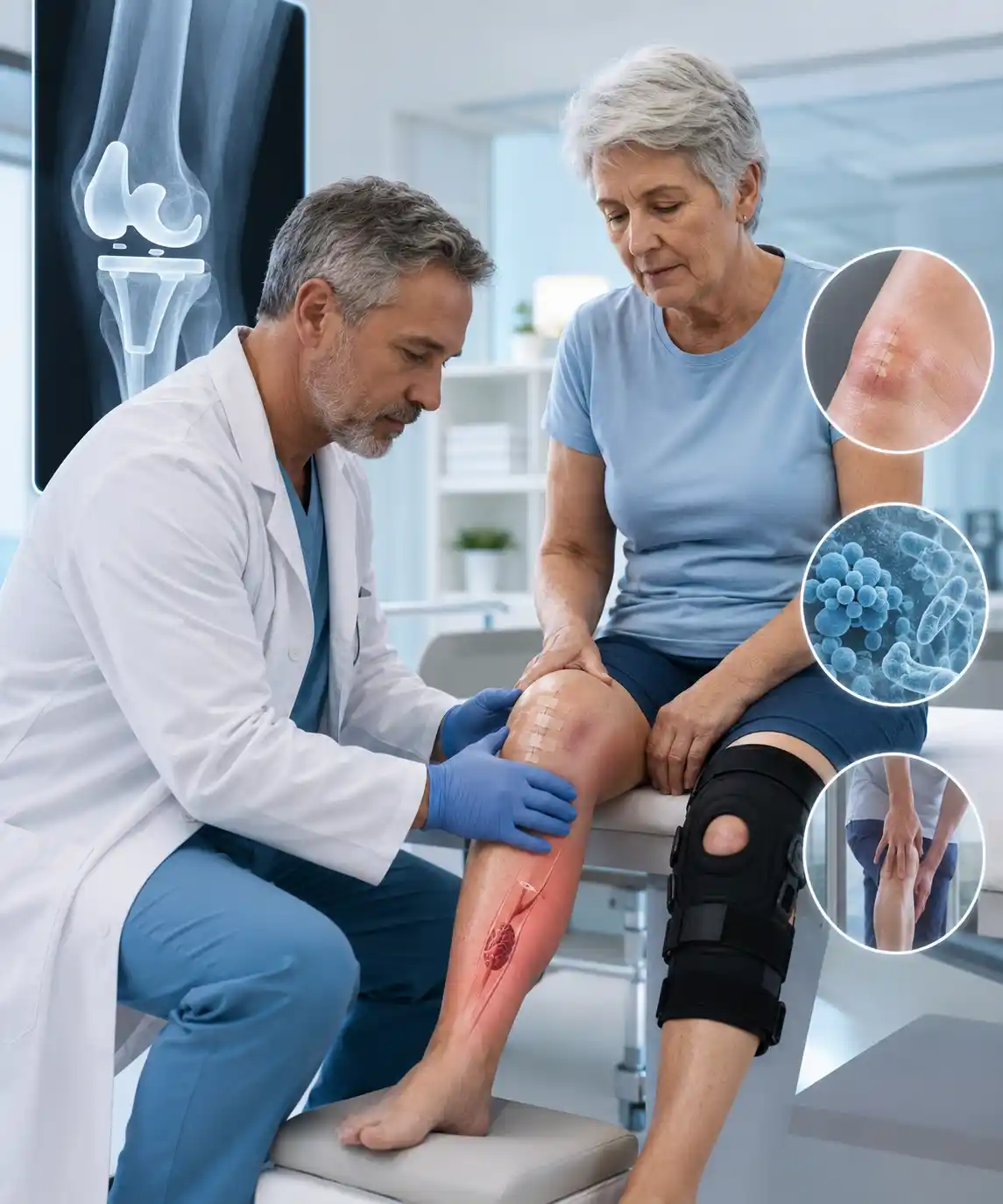
Orthopaedic treatment focuses on diagnosing and treating conditions related to the bones, joints, ligaments, tendons, and muscles. It includes a wide range of therapies such as physical therapy, medications, surgeries, and minimally invasive procedures to help manage pain, restore function, and improve mobility.
If you’re dealing with musculoskeletal issues or looking for expert care, our team at Petals Health is here to help. Book a consultation today to get personalised treatment tailored to your needs and start your journey toward better health.


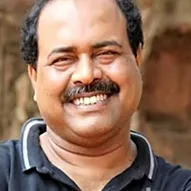
MBBS.MS(Orth) | TUES/SAT | 12 NOON – 2PM
MBBS,MS,DNB,MNAMS | WED | 5:00 PM – 6:00 PM
MBBS, FRCS (Glasgow) | Mon | Wed | Fri 8:00 am – 9:30 am
MBBS, MS Orthopaedics | Mon – Sat 3:00 pm – 5:00 pm
MBBS, MS Orthopaedics | Mon & Fri 5:00 pm – 7:00 pm
Orthopedic Surgeon | Mon – Sat 12:00 pm – 2:00 pm
MBBS, MS(Ortho) | By Appointment
Step-1
Discuss symptoms and medical history with your doctor. Imaging tests like X-rays or MRIs may be recommended.
Step-2
Try non-surgical options like physical therapy, pain relief, and lifestyle changes to ease symptoms.
Step-3
If conservative treatments fail, your doctor may suggest surgery, such as joint replacement or arthroscopy.
Step-4
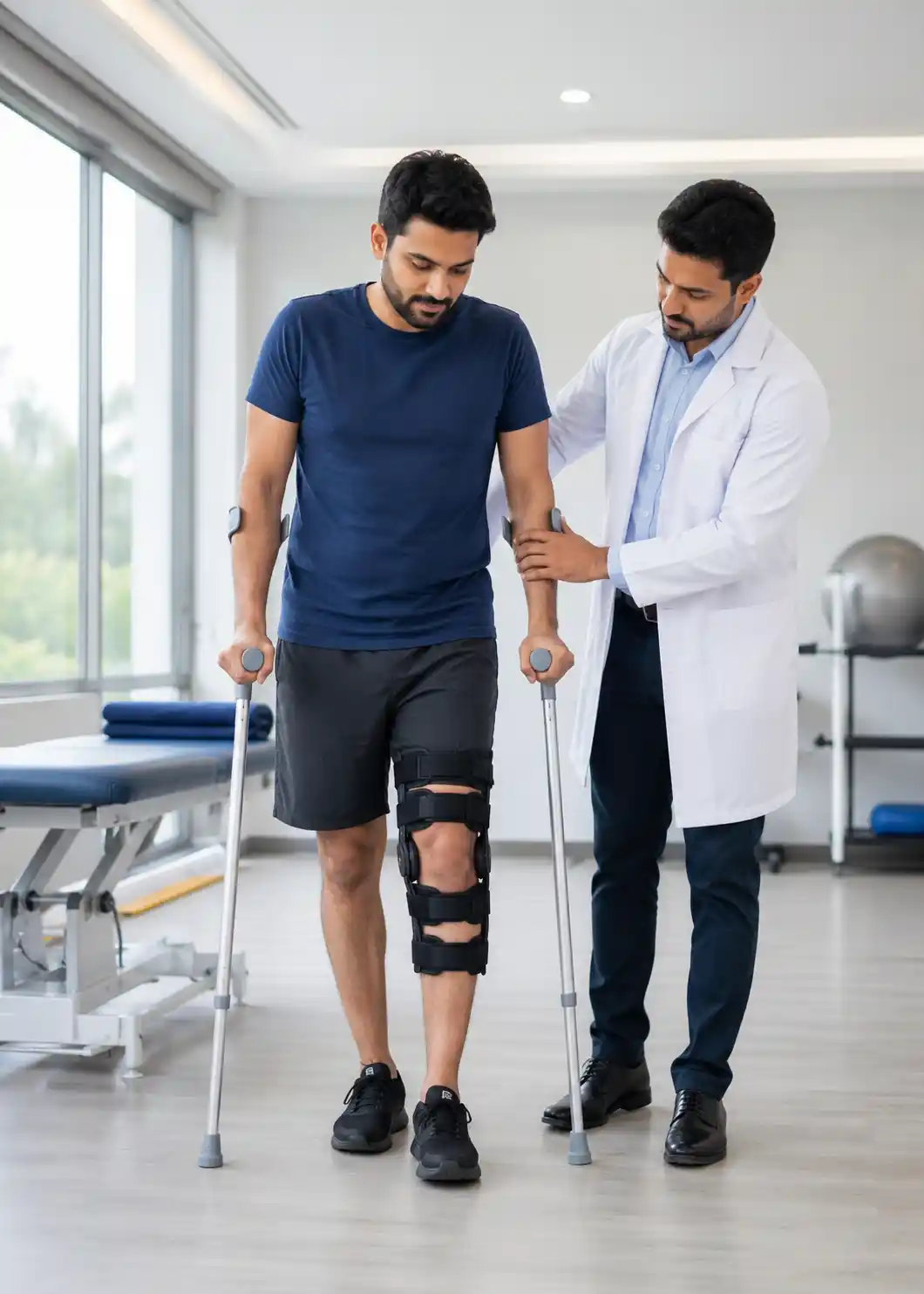
Engage in physical therapy to regain strength and mobility after surgery.
Step-5
Attend follow-up visits to track recovery and adjust treatments as needed.
Step-6
Incorporate lifestyle changes, such as proper posture and regular exercise, to maintain joint health.
Rest and manage swelling with ice packs. Mild discomfort is common, and pain medication may be prescribed.
Start gentle movement and follow the doctor’s care instructions. Physical therapy may begin for early recovery.
Continue physical therapy, gradually increasing activity. You may still experience some stiffness or discomfort, but mobility improves.
Most patients regain significant mobility. Continue strengthening exercises and follow-up appointments for progress assessment.
Full recovery or near-complete recovery. Maintain an exercise routine and schedule regular check-ups to prevent future issues.

From the Desk of PDG | Honorary Medical Director
Welcome to Petals Health Clinics, a modern family clinic chain designed around Families.
As your partners in health, we take pride in fostering a warm, family-centred environment where every individual feels heard, respected, and cared for.
Our primary focus is on building and sustaining healthy families. We believe that prevention is the cornerstone of good health, and we are dedicated to helping you take proactive steps toward a vibrant and fulfilling life. Through preventive healthcare, regular disease screenings, early detection, and health education, we strive to empower you with the knowledge and tools to make informed decisions about your well-being.
Whether it’s routine checkups, guidance on managing chronic conditions, or personalized advice on lifestyle and wellness, our team is here to partner with you on every step of your health journey.
Thank you for trusting us to be a part of your family’s health story. Together, we can build a foundation for lasting health and happiness.



 Ask a Doctor
 9147405955