January 22, 2026 | by Admin
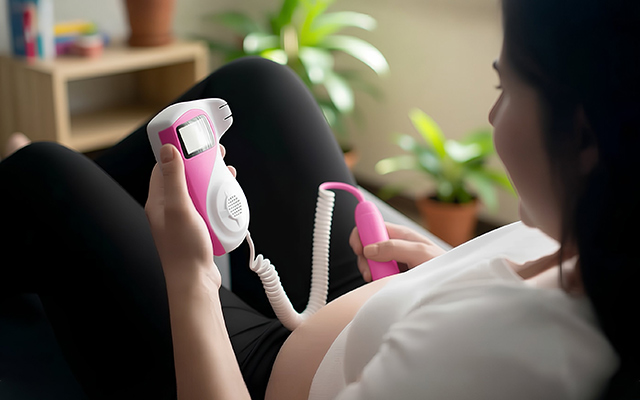
The excitement of hearing your baby’s heartbeat for the first time is unparalleled. It’s a magical moment that marks a connection between you and your baby, long before you even meet them. The special experience becomes possible with the help of a Fetal Doppler device.
Petals Family Clinic, a reputable diagnostic centre in Kolkata, is equipped with advanced medical equipment and can offer this opportunity to expectant mothers.
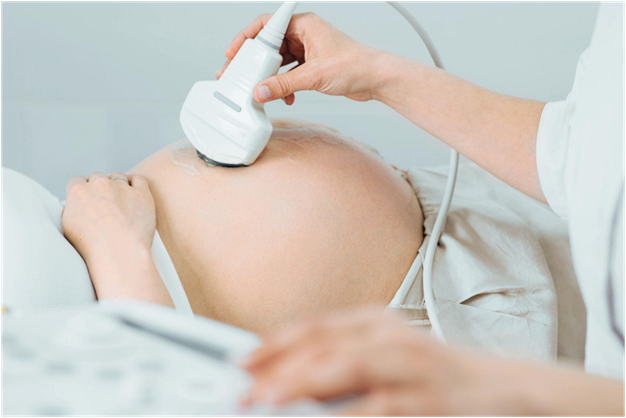
A Fetal Doppler is a handheld device used to listen to the baby’s heartbeat. It works by using sound waves to detect the blood flow in the baby’s heart. These sound waves bounce off the moving blood and are converted into sound, which the device amplifies, allowing you to hear the heartbeat.
While the device is primarily used by doctors to monitor the baby’s health, it is also available at some diagnostic centres to allow expectant parents to hear the baby’s heartbeat long before delivery.
The Fetal Doppler is non-invasive, safe for both the mother and the baby, and provides reassurance for parents, especially first-time moms who may feel anxious about their baby’s health.
The Fetal Doppler uses the Doppler effect to detect the baby’s heartbeat. This is the same principle behind Doppler radar and even speed cameras. High-frequency sound waves are sent through the body, and when they encounter a moving object—like the baby’s heartbeat—they bounce back. The device detects the frequency change, amplifies it, and converts it into the sound you hear.
In a diagnostic centre, this process is done during routine check-ups. Doctors use the Doppler to ensure the baby’s heart rate is normal and to monitor for any irregularities that might require further investigation. The sound that you hear is a fast, rhythmic thump, much faster than the mother’s heartbeat. It’s often described as a “galloping horse” sound, which is both reassuring and exciting for expectant parents.
One of the most thrilling moments in pregnancy is hearing your baby’s heartbeat for the first time. With a Fetal Doppler, you can hear your baby’s heartbeat earlier than ever before. Most women can hear their baby’s heartbeat as early as 8 to 10 weeks into the pregnancy, although it may be more commonly detected around 12 to 14 weeks.
At 8 to 10 weeks, the sound may be faint and difficult to hear, depending on factors like the baby’s position and the mother’s body type. However, by 12 to 14 weeks, the heartbeat should be clearer and more audible. During these early weeks, the doctor may need to move the Doppler around to find the best location to detect the heartbeat. By the time you reach 20 weeks, the sound should be loud and distinct.
Hearing the heartbeat is often part of the first ultrasound or routine prenatal visit, an exciting moment for expecting parents.

The sound of your baby’s heartbeat is often the first real connection you have with your child. Even though you may not be able to see or feel your baby yet, hearing their heartbeat gives you that reassuring sense of connection. For many expectant mothers, hearing the heartbeat for the first time can bring emotional relief, particularly for those who may be feeling anxious about the pregnancy.
From a medical perspective, hearing the heartbeat is important because it provides a clear indication that the baby is alive and developing normally. It also allows healthcare professionals to monitor the baby’s heart rate, which can provide clues about the baby’s health. A normal fetal heart rate usually ranges from 110 to 160 beats per minute. If the heart rate is too high or too low, further testing may be necessary.
The Fetal Doppler device allows doctors to keep an eye on these vital signs and make sure everything is progressing as it should.
While hearing your baby’s heartbeat is exciting, it’s also an important tool for monitoring the pregnancy. The Fetal Doppler is used to detect abnormal heart rates, such as rapid or irregular heartbeats. These can sometimes signal problems like fetal distress, which may need immediate attention.
In some cases, if the baby is in a position that makes it hard to hear the heartbeat, the doctor may use the Doppler to listen to the blood flow through the umbilical cord or placenta to ensure everything is functioning properly. This helps them assess the baby’s overall well-being and development.
By using the Fetal Doppler regularly during prenatal visits, the doctor can monitor the baby’s health and quickly address any concerns, ensuring the safety of both mother and baby.
The Fetal Doppler is a remarkable device that allows expectant mothers to hear their baby’s heartbeat long before they meet them. It provides reassurance, emotional connection, and a sense of peace, knowing that your baby is healthy and growing. By using the Fetal Doppler, doctors can also monitor the baby’s heart rate and overall health.
If you’re an expectant mother and want to hear your baby’s heartbeat for the first time, visit Petals Family Clinic, a trusted diagnostic centre in Kolkata.
What is a Fetal Doppler used for?
A Fetal Doppler is used to detect and amplify the baby’s heartbeat during pregnancy.
When can you first hear your baby’s heartbeat with a Doppler?
You can hear your baby’s heartbeat as early as 8 to 10 weeks of pregnancy.
Is using a Fetal Doppler safe during pregnancy?
Yes, using a Fetal Doppler is completely safe when done under professional supervision.
Can you use a Fetal Doppler at home?
While it is available for home use, it’s best to consult the doctor before using it yourself.
How can you tell if your baby’s heartbeat is healthy?
A normal heartbeat is between 110 and 160 beats per minute. Consult the doctor if it’s irregular.
Can a Fetal Doppler detect any pregnancy complications?
While a Fetal Doppler can help detect irregular heartbeats, it’s not designed to diagnose complications. The doctor will interpret the results for further action.
How often should a Fetal Doppler be used during pregnancy?
A Fetal Doppler is typically used during regular prenatal visits. It’s important to avoid overuse and rely on professional guidance for monitoring.
Can the Fetal Doppler detect multiple babies’ heartbeats?
Yes, a Fetal Doppler can detect multiple heartbeats in cases of twins or more, though it may be harder to differentiate them early on.
What should you do if you don’t hear the heartbeat with a Doppler?
Don’t panic. The baby’s position may make it difficult to hear the heartbeat early on. The doctor can perform further tests to check fetal health.
Are there any risks associated with using a Fetal Doppler?
When used properly by a healthcare professional, the Fetal Doppler is safe. Overuse or incorrect handling at home can lead to unnecessary anxiety or minimal exposure to ultrasound waves.

From the Desk of PDG | Honorary Medical Director
Welcome to Petals Health Clinics, a modern family clinic chain designed around Families.
As your partners in health, we take pride in fostering a warm, family-centred environment where every individual feels heard, respected, and cared for.
Our primary focus is on building and sustaining healthy families. We believe that prevention is the cornerstone of good health, and we are dedicated to helping you take proactive steps toward a vibrant and fulfilling life. Through preventive healthcare, regular disease screenings, early detection, and health education, we strive to empower you with the knowledge and tools to make informed decisions about your well-being.
Whether it’s routine checkups, guidance on managing chronic conditions, or personalized advice on lifestyle and wellness, our team is here to partner with you on every step of your health journey.
Thank you for trusting us to be a part of your family’s health story. Together, we can build a foundation for lasting health and happiness.



 Ask a Doctor
 9147405955


