December 22, 2025 | by Admin
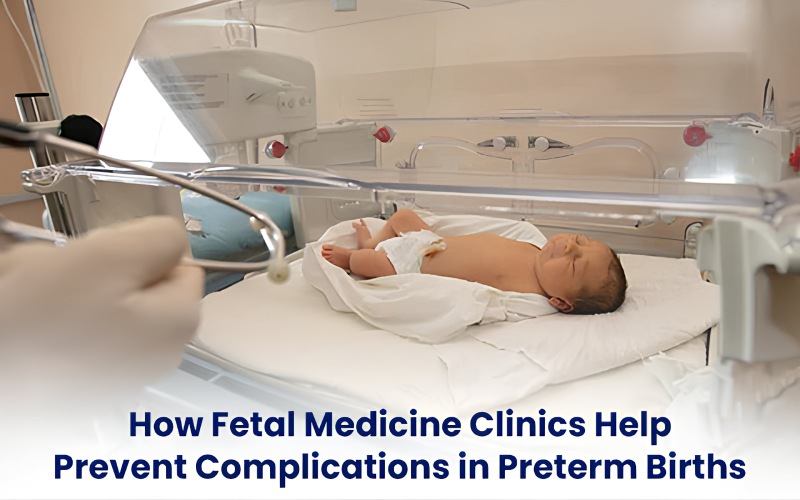
Every pregnancy deserves a safe, healthy journey. But preterm births still affect many families worldwide. A fetal medicine clinic plays a vital role in preventing preterm birth complications through timely diagnosis and expert care. In this blog, we’ll understand how these clinics help reduce risks and improve pregnancy outcomes.
Preterm birth happens when a baby is born before 37 weeks of pregnancy. It increases the risk of breathing issues, infections, and developmental delays. Preterm birth prevention has become a priority in modern healthcare.
Common causes include multiple pregnancies, infections, and cervical insufficiency. Lifestyle habits and chronic illnesses can also raise risks. Knowing these factors helps maternal-fetal medicine specialists better manage pregnancy.
A fetal medicine clinic uses a team-based approach. Specialists in obstetrics, neonatology, and genetics work together. Their goal is early detection and precise treatment for high-risk pregnancy care.
These clinics perform early scans and tests. Through preterm birth risk assessment, they identify women at risk for preterm birth complications. Early diagnosis allows for timely preventive action.
Doctors often recommend progesterone therapy for preterm birth prevention. It helps maintain the uterine lining and reduces the risk of contractions in high-risk women.
Activity management and bed rest may be advised. These steps help reduce pressure on the cervix and delay premature labour.
Routine ultrasounds are vital. They help monitor fetal growth and amniotic fluid levels. Fetal medicine clinics use advanced imaging to detect subtle changes early.
Constant fetal heart rate checks ensure the baby’s well-being. It also helps identify distress early, preventing emergencies.
If early labour signs appear, doctors use medications to delay contractions. This approach gives the baby more time to grow safely inside the womb.
When preterm birth occurs, immediate neonatal care is crucial. Clinics offer advanced support in a neonatal intensive care unit (NICU). Trained neonatologists provide oxygen support and infection control for fragile newborns.
Follow-up care continues after discharge. Fetal medicine clinics ensure babies meet developmental milestones through ongoing assessments and early therapy if needed.
Regular prenatal visits can prevent many preterm birth complications. Early check-ups allow timely preterm birth prevention measures. Maternal-fetal medicine specialists guide mothers throughout pregnancy with personalised plans.
Fetal medicine clinics are changing the story of preterm births. Their expertise ensures early intervention, continuous monitoring, and specialised neonatal care. These clinics give every mother and baby the best possible start.
If you are looking for expert high-risk pregnancy care, book an appointment at Petals Family Clinic, a trusted fetal medicine clinic for safe, healthy deliveries.
To know more, reach out to one of our clinics, nearest to your location.
They identify risks early and provide preventive treatments, such as progesterone therapy and cervical cerclage.
Common signs include back pain, cramping, watery discharge, and contractions before 37 weeks.
Women with a history of early cervical dilation or second-trimester losses benefit from treatment.
It supports uterine health and reduces contractions that may lead to preterm delivery.
The Neonatal Intensive Care Unit (NICU) provides life-saving support for babies born too early or too small.

From the Desk of PDG | Honorary Medical Director
Welcome to Petals Health Clinics, a modern family clinic chain designed around Families.
As your partners in health, we take pride in fostering a warm, family-centred environment where every individual feels heard, respected, and cared for.
Our primary focus is on building and sustaining healthy families. We believe that prevention is the cornerstone of good health, and we are dedicated to helping you take proactive steps toward a vibrant and fulfilling life. Through preventive healthcare, regular disease screenings, early detection, and health education, we strive to empower you with the knowledge and tools to make informed decisions about your well-being.
Whether it’s routine checkups, guidance on managing chronic conditions, or personalized advice on lifestyle and wellness, our team is here to partner with you on every step of your health journey.
Thank you for trusting us to be a part of your family’s health story. Together, we can build a foundation for lasting health and happiness.



 9147405960


