March 24, 2026 | by Admin
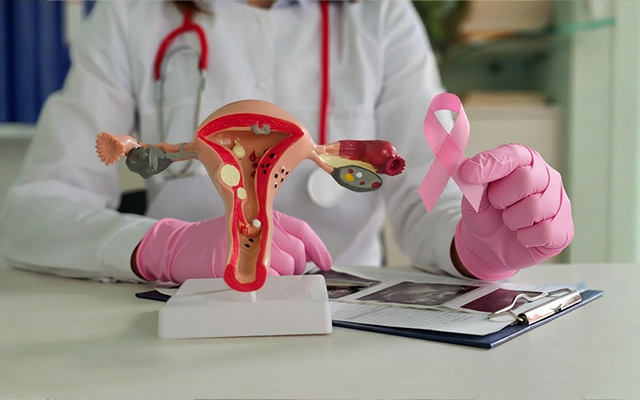
A cancer diagnosis can feel overwhelming, but gynaecological cancers bring an extra layer of complexity. That’s why modern cancer care has moved beyond the “single doctor” model. Today, the best outcomes often come from multiple specialists working together with one shared goal.
At Petals Health, recognised as a multi-speciality health clinic in Kolkata specialising in gyne oncology care, this collaborative approach ensures patients don’t have to navigate multiple opinions and disconnected treatment plans. Instead, they experience coordinated care that feels clearer, faster, and more reassuring.
Let’s unpack why multidisciplinary care has become such an important part of gynaecological cancer treatment.

Imagine meeting three different doctors, each giving slightly different advice. Confusing, right?
Multidisciplinary care solves this by bringing all specialists together to create one unified plan. That means fewer delays, fewer repeated tests, and less emotional stress.
A typical multidisciplinary team (MDT) cancer care includes:
• A gyne oncologist for surgical expertise
• Medical oncologists to plan chemotherapy
• Radiation oncologists for radiotherapy decisions
• Radiologists and pathologists for accurate diagnosis
• Supportive specialists like nutritionists, physiotherapists, psychologists, and genetic counsellors
Each expert focuses on their area — but the treatment roadmap remains shared.
These cancers affect multiple organs, systems, and life goals
Cervical, ovarian, and uterine cancers don’t exist in isolation. They can influence fertility, hormonal health, pelvic organs, and emotional well-being. This complexity makes collaborative care essential.
Many patients require a combination of surgery, chemotherapy and radiotherapy for gynaecological cancer, and follow-up care.
When treatments are carefully timed and planned together, patients often experience smoother recovery and fewer complications.
A tumour board in cancer care is essentially a roundtable meeting where specialists review scans, pathology reports, and treatment options together. Instead of one opinion, patients benefit from collective expertise.
This shared decision-making reduces uncertainty. It ensures that all possible treatment pathways are explored before moving forward.
When imaging and pathology teams collaborate closely, diagnosis becomes clearer, and treatment starts sooner — which can significantly impact outcomes.
Accurate staging helps doctors strike the right balance between effective treatment and avoiding unnecessary side effects.
No two patients are the same. MDT discussions allow treatment to reflect individual health, age, fertility goals, and lifestyle.
With specialists already aligned, side effects and complications are addressed faster. Patients don’t feel like they’re “starting over” at each step.
This integrated philosophy is what defines Petals Health as a trusted multi-speciality health clinic in Kolkata, renowned for gyne oncology care, where collaboration isn’t an add-on — it’s the foundation.
In cervical cancer treatment, MDT discussions help determine whether surgery, radiation, or a combination will provide the best outcome based on stage and overall health.

For ovarian cancer treatment in Kolkata, the timing of surgery and chemotherapy is crucial. Additionally, genetic testing for ovarian cancer may guide targeted therapies and family screening.
Treatment for endometrial (uterine) cancer depends on tumour grade, stage, and patient health — making MDT planning particularly valuable.
Supportive specialists help manage fatigue, nutritional challenges, and physical discomfort, making treatment more tolerable.
Cancer doesn’t just affect the body. Emotional support helps patients and families cope with fear, uncertainty, and stress.
Post-treatment challenges like early menopause or intimacy concerns are addressed sensitively within a multidisciplinary setup.
Younger patients may explore fertility preservation before treatment begins, depending on cancer stage and urgency.
Early collaboration between oncologists and fertility specialists allows patients to make informed decisions without delaying treatment.
Integrated services simplify appointments and improve communication between specialists.
Structured MDT meetings and clear documentation signal genuine collaborative care.
Access to genetic counselling and testing for ovarian cancer supports personalised treatment and preventive care.
Gynaecological cancer care isn’t just about eliminating disease — it’s about protecting quality of life, emotional well-being, and future possibilities.
Centres like Petals Health, known as a multi-speciality health clinic in Kolkata offering gyne oncology care, highlight how collaborative expertise can turn a complex treatment journey into a structured, supportive experience.
Because in cancer care, the strongest safety net isn’t a single expert — it’s a team working together for you.
If you or someone you love is navigating a gynaecological cancer diagnosis, choosing coordinated care can make the journey feel clearer and more supported.
Consult an experienced gyne oncologist and explore MDT-based treatment options.
Book a consultation today.
It’s a group of specialists who collaborate to create and implement a unified cancer treatment plan.
A tumour board is a meeting where cancer cases are reviewed collectively, improving treatment decisions and outcomes.
Treatment typically involves gynecologic oncologists, medical oncologists, radiation oncologists, and supportive care specialists.
Yes. Coordinated care improves treatment sequencing and overall outcomes in many patients.
Genetic testing is often advised to guide treatment and assess hereditary cancer risk.
A tumour board brings together multiple specialists to review reports and discuss treatment options, ensuring accurate decisions.
Ovarian cancer often requires surgery, chemotherapy, and genetic evaluation, so multidisciplinary team care helps coordinate these treatments for better outcomes.
Yes. MDT care allows supportive specialists to manage nutrition, pain, fatigue, and emotional health early, which can reduce side effects.
Not all centres have formal MDT meetings, so it’s helpful to choose a facility that conducts tumour board discussions and provides coordinated treatment planning.
Doctors consider cancer stage, spread, patient health, and tumour biology; MDT discussions help determine the best outcome.

From the Desk of PDG | Honorary Medical Director
Welcome to Petals Health Clinics, a modern family clinic chain designed around Families.
As your partners in health, we take pride in fostering a warm, family-centred environment where every individual feels heard, respected, and cared for.
Our primary focus is on building and sustaining healthy families. We believe that prevention is the cornerstone of good health, and we are dedicated to helping you take proactive steps toward a vibrant and fulfilling life. Through preventive healthcare, regular disease screenings, early detection, and health education, we strive to empower you with the knowledge and tools to make informed decisions about your well-being.
Whether it’s routine checkups, guidance on managing chronic conditions, or personalized advice on lifestyle and wellness, our team is here to partner with you on every step of your health journey.
Thank you for trusting us to be a part of your family’s health story. Together, we can build a foundation for lasting health and happiness.


 Ask a Doctor
 9147405955


