March 30, 2026 | by Admin

Every family eventually reaches that moment — a fever at night, a sudden fall, a child’s vaccination reminder, or a parent’s routine BP check. And in those moments, what you really want is one reliable place where care feels familiar, accessible, and trustworthy.
Choosing a clinic isn’t just about proximity or convenience. It’s about finding a healthcare partner who understands your family’s needs at every age and stage of life. From paediatric visits to elderly care, your go-to clinic becomes part of your family’s safety net.
So, how do you choose wisely without feeling overwhelmed by options? Experts from Petals Health, a multi-speciality health clinic in Kolkata, offer guidance.
Before comparing clinics, it helps to understand what type of healthcare setup suits your family’s routine needs.
A family clinic focuses on primary care — fevers, routine illnesses, chronic disease monitoring, and preventive check-ups.
Hospital OPDs are useful for specialist consultations and advanced procedures, but may feel less personal for everyday care. Speciality clinics cater to specific concerns like dermatology, fertility, or orthopaedics.
Most families benefit from having a trusted family clinic as their first point of care, with hospital referrals when needed.
A dependable clinic should cover essential care across age groups:
• A general physician clinic for common illnesses and chronic conditions
• A paediatrician clinic for vaccinations and childhood concerns
• Gynaecology support for women’s health
• Senior care expertise for ageing parents
This combination creates a stable healthcare base for your household.
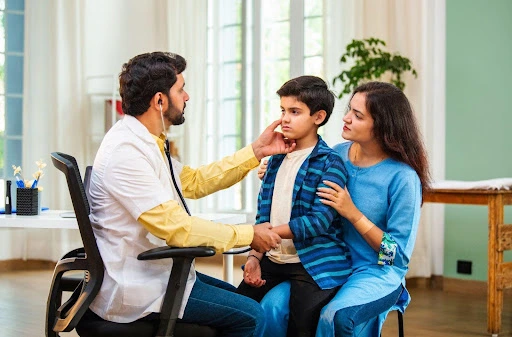
Reputation matters, but experience and communication style matter more. A good primary care doctor listens carefully, explains clearly, and builds long-term trust.
A multispeciality clinic simplifies care by offering consultations, minor procedures, and specialist visits in one place.
Quick access to in-house diagnostics reduces repeat visits and speeds up treatment decisions.
Even if a clinic isn’t a hospital, it should have a clear referral pathway to facilities offering 24×7 emergency services.
Clean waiting areas, proper sanitisation, and visible safety protocols reflect a clinic’s commitment to patient care.
Efficient appointment management prevents long waits — something families deeply appreciate during illness.
A good clinic educates patients, encourages questions, and explains treatment options in simple terms.
Clear pricing builds trust and prevents unexpected financial stress.
Look for consistent patterns in reviews rather than isolated extremes. Feedback on communication, hygiene, and waiting times often reveals the true patient experience.
Convenience matters. Easy accessibility ensures timely care, especially during emergencies or follow-ups.
An NABH-accredited clinic follows recognised quality and safety standards, offering reassurance about care protocols.
Transparent processes reflect professionalism and patient respect.
A clinic that collaborates with hospitals ensures smooth transitions when advanced care becomes necessary.
Parents benefit from clinics that offer vaccination reminders, fever management advice, and emergency guidance.
Geriatric-friendly clinics help manage medications, monitor chronic diseases, and prevent complications.
Routine monitoring and preventive care play a major role in long-term health outcomes.
Families seeking integrated support often prefer setups like Petals Health, a multi-speciality health clinic in Kolkata, where coordinated care across age groups simplifies everyday healthcare decisions.
Understanding follow-up policies helps ensure continuity of care.
Quick diagnostics reduce anxiety and speed up treatment.
Clear escalation protocols provide reassurance.
Digital accessibility combined with privacy safeguards improves convenience and trust.
If consultations feel rushed or explanations are unclear, it may be difficult to build long-term trust.
Unnecessary urgency without clear reasoning can indicate overtesting or poor communication.
Choosing the right clinic isn’t just a practical decision — it’s an emotional one. It’s about knowing that when someone in your family isn’t well, you already have a trusted place to turn to without hesitation.
A dependable clinic combines accessibility, expertise, communication, and compassion. When these elements come together, healthcare feels less stressful and more reassuring.
Your family deserves one familiar space for routine check-ups, sudden illnesses, and long-term health guidance — a place where care feels continuous rather than fragmented.
If you’re looking to establish a reliable healthcare base for your family, consider scheduling a routine consultation or preventive check-up with a trusted clinic near you.
A simple OPD visit today at Petals Health, a multi-speciality health clinic in Kolkata, can help build the relationship that supports your family’s health tomorrow.
Book a consultation today.
Look for experienced doctors, accessible diagnostics, transparent pricing, and good patient reviews.
Ask about follow-up policies, communication style, diagnostic access, and emergency referral protocols.
Yes. Accreditation reflects adherence to quality and safety standards.
In-house diagnostics offer convenience and faster results, improving treatment decisions.
Ensure the clinic has a clear referral pathway to nearby hospitals for emergency care.
Most families benefit from annual health check-ups, while children, elderly members, and people with chronic conditions may need more frequent visits.
Yes, a multi-speciality clinic offers access to different specialists under one roof, making coordination of care easier and more convenient for families.
A general physician acts as the first point of contact for common illnesses, preventive care, and referrals to specialists when required.
Fitness
Health Clinic
Gynecology
Pregnancy
Diabetes
Health
Paediatrics
Health Tips
Arthritis
Allergy and Asthma
Menstrual Health
general
other
Cardiology
Geriatrics
Gastrointestinal
woman and child care
Infertility
Health Checkup
Cosmetic Gynaecology
Hymenoplasty
dermatology treatments
IVF Treatment
Fertility Treatment
Vaginal Rejuvenation
Vaginal Tightening

From the Desk of PDG | Honorary Medical Director
Welcome to Petals Health Clinics, a modern family clinic chain designed around Families.
As your partners in health, we take pride in fostering a warm, family-centred environment where every individual feels heard, respected, and cared for.
Our primary focus is on building and sustaining healthy families. We believe that prevention is the cornerstone of good health, and we are dedicated to helping you take proactive steps toward a vibrant and fulfilling life. Through preventive healthcare, regular disease screenings, early detection, and health education, we strive to empower you with the knowledge and tools to make informed decisions about your well-being.
Whether it’s routine checkups, guidance on managing chronic conditions, or personalized advice on lifestyle and wellness, our team is here to partner with you on every step of your health journey.
Thank you for trusting us to be a part of your family’s health story. Together, we can build a foundation for lasting health and happiness.


 Ask a Doctor
 9147405955


