May 14, 2026 | by Admin
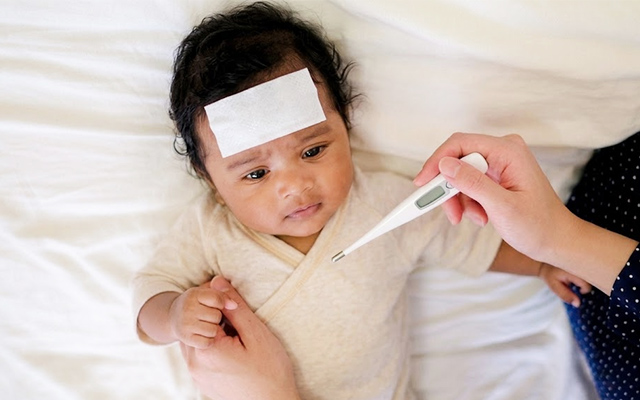
Fever in kids is one of the fastest ways to make parents panic. One minute your child is fine, the next minute the thermometer shows 38°C and suddenly you’re searching everything online.
Here’s the truth: most fevers are manageable at home. But some need medical attention—and knowing the difference is what matters.
If you’re looking for reliable paediatricians in Kolkata, many parents trust Petals Health—but before you rush to a clinic, this guide will help you decide your next step with confidence.
A fever usually means your child’s body is fighting an infection. In most cases, that’s a good thing.
You don’t need to treat the number immediately—you need to look at your child.
So instead of chasing numbers, focus on behaviour.
Let’s simplify this.
Fever definition by method: Forehead, armpit, oral
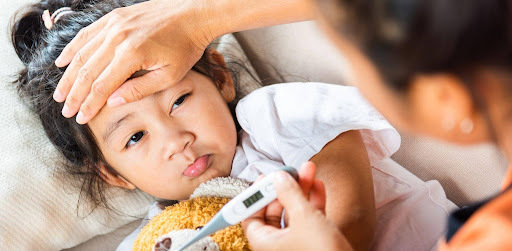
If the reading is wrong, your decisions will be wrong.
Pick one method and stick to it.
This is where most parents either overdo things or miss basics.
Hydration rules (what to offer and how often)
Fever increases fluid loss.
Avoid cold water, ice baths, or over-layering.
Medication helps—but only if used correctly.
Never give aspirin.
When unsure, ask a doctor.
This is an important part that you should remember.
Immediate action needed if you see:
Don’t wait. Go to the emergency.
If something feels off, it probably is.
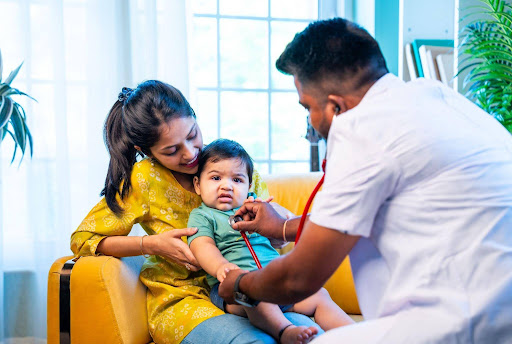
No exceptions here.
If you’re unsure, consulting experienced paediatricians in Kolkata at Petals Health can help avoid both overreaction and delay.
Not all fevers come from the same source.
Fevers tend to increase during the monsoon and seasonal changes.
Doctors usually ask:
Tests that may be advised (only when needed)
Not every child needs tests. Good evaluation comes first.
Keep it simple:
You don’t need to panic. You need to observe and act smartly.
If your child’s fever is not improving, or you’re unsure about the next step, it’s always safer to consult an expert.
Get in touch with paediatricians in Kolkata at Petals Health for a clear diagnosis and the right treatment plan—without unnecessary stress.
Schedule an appointment today.
If your child shows signs like extreme drowsiness, difficulty breathing, or persistent vomiting alongside a fever, it’s time to consult a doctor. These symptoms could indicate a more serious condition.
Mild fevers can often be managed with home care, including hydration and rest. If medication is needed, paracetamol is typically the first choice. Always follow the correct dosing instructions based on your child’s weight.
Fever caused by infection might be accompanied by symptoms like ear pain, sore throat, or urinary problems. If these occur, it’s best to consult a paediatrician for proper diagnosis and treatment.
Maintaining proper hygiene, staying hydrated, and ensuring your child gets adequate rest can help prevent infections, especially during flu season or monsoons when viruses are more prevalent.
Fever is the body’s natural response to infection, helping to fight off harmful pathogens. It’s usually not dangerous unless it goes untreated for too long or reaches very high temperatures.
Giving your child a lukewarm bath can help bring down the fever, but avoid cold water or ice baths as they can cause shivering, which may raise the body temperature.
To keep your child comfortable, ensure they are in a cool room, wear light clothing, and provide plenty of fluids. Avoid over-bundling or using ice packs, as these can worsen discomfort.
Yes, in infants and young children, a fever can sometimes indicate a more serious condition like a bacterial infection. It’s important to monitor their behaviour and seek medical attention if they appear unusually lethargic or have trouble breathing.
Fitness
Health Clinic
Gynecology
Pregnancy
Diabetes
Health
Paediatrics
Health Tips
Arthritis
Allergy and Asthma
Menstrual Health
general
other
Cardiology
Geriatrics
Gastrointestinal
woman and child care
Infertility
Health Checkup
Cosmetic Gynaecology
Hymenoplasty
dermatology treatments
IVF Treatment
Fertility Treatment
Vaginal Rejuvenation
Vaginal Tightening

From the Desk of PDG | Honorary Medical Director
Welcome to Petals Health Clinics, a modern family clinic chain designed around Families.
As your partners in health, we take pride in fostering a warm, family-centred environment where every individual feels heard, respected, and cared for.
Our primary focus is on building and sustaining healthy families. We believe that prevention is the cornerstone of good health, and we are dedicated to helping you take proactive steps toward a vibrant and fulfilling life. Through preventive healthcare, regular disease screenings, early detection, and health education, we strive to empower you with the knowledge and tools to make informed decisions about your well-being.
Whether it’s routine checkups, guidance on managing chronic conditions, or personalized advice on lifestyle and wellness, our team is here to partner with you on every step of your health journey.
Thank you for trusting us to be a part of your family’s health story. Together, we can build a foundation for lasting health and happiness.



 Ask a Doctor
 9147405955


