May 18, 2026 | by Admin
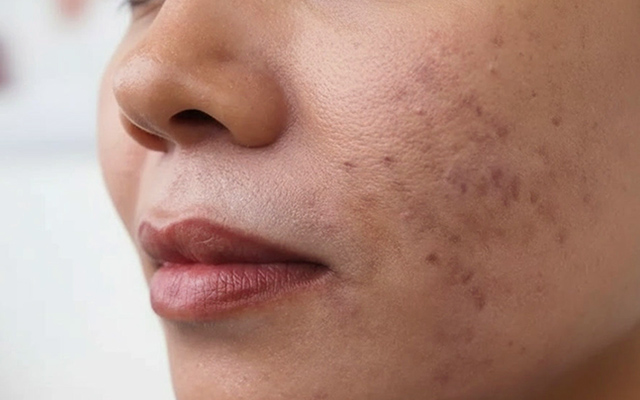
Acne — the one word that can make many of us cringe just thinking about it. It’s no surprise that acne is one of the most common skin conditions, affecting both teens and adults. But what about those stubborn marks left behind after an acne breakout?
Welcome to the world of post-inflammatory hyperpigmentation (PIH), the real culprit behind those long-lasting dark spots and marks. But don’t worry — there’s a way forward. If you’re in Kolkata, a clinic offering dermatological services like Petals Health is your ally in clearing those spots with safe, effective treatments.
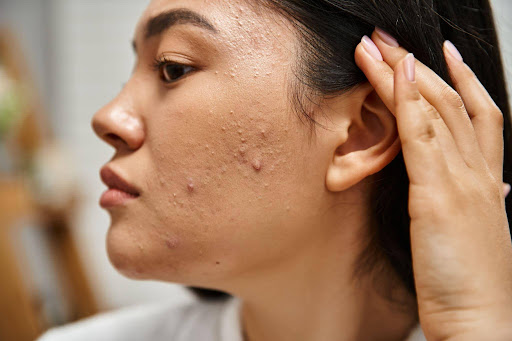
While acne marks can be a frustrating reminder of a past breakout, understanding the science behind them can empower you to take control of your skincare routine and seek the right treatments. Let’s dive into the main reasons these marks stick around.
When your acne heals, your skin is left in a state of repair. During this process, your skin tends to produce melanin, the pigment responsible for skin colour. While this process is meant to protect your skin, sometimes it can go a little overboard, leaving dark spots behind.
The deeper the acne, the more severe the inflammation. If your acne was cystic or nodular, it likely involved deeper layers of your skin, which in turn leads to stronger inflammation and prolonged pigmentation. This is why those deeper, cystic acne scars tend to stick around the longest.
If you have darker skin tones, you may notice that pigmentation marks take longer to fade. This is because darker skin tones have more melanin overall, and thus, the skin tends to produce more pigment when inflamed. The healing time can also vary from person to person, depending on factors like age, skincare routines, and overall health.
If you’ve ever found yourself picking at your acne (guilty as charged!), you’ve made the situation worse. Scratching or picking can disrupt the skin’s healing process and create further inflammation, which can result in longer-lasting dark marks.
If your skin is already sensitive due to acne, using harsh skincare products or failing to follow a gentle routine can prolong the healing process. Skipping sunscreen, for example, can make pigmentation even worse, as UV rays trigger melanin production.
Now that you know why these marks tend to linger, let’s explore the various ways to treat them effectively and safely.
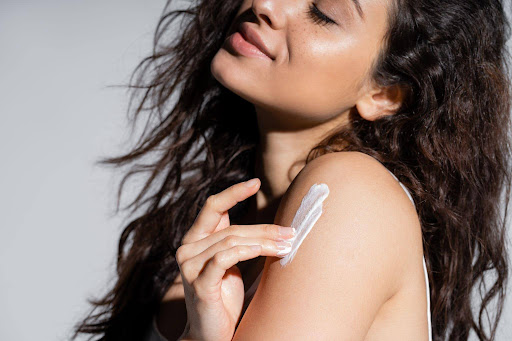
Topical treatments like creams and serums are often the first step in treating acne pigmentation. These products contain active ingredients that target the melanin-producing cells in your skin.
| Ingredient | How It Works | Products to Try |
| Vitamin C | A powerful antioxidant that lightens dark spots and boosts collagen production. | Serums or moisturisers with 10–20% Vitamin C |
| Niacinamide | Reduces the appearance of dark spots and helps improve skin texture. | Niacinamide serums or creams |
| Alpha Hydroxy Acids (AHAs) | Exfoliates the skin’s surface to remove dead skin cells, promoting new, healthy skin growth. | Exfoliating toners or serums |
| Hydroquinone | Inhibits melanin production and lightens hyperpigmentation. | Available in prescription and over-the-counter formulas |
| Retinoids | Stimulates collagen production and speeds up skin cell turnover to reduce dark spots. | Retinol creams or serums |
If your dark marks are stubborn and not responding to topical treatments, chemical peels can help. A chemical peel involves applying a solution to your skin that removes the top layer of damaged skin. The result? Fresh, smoother skin underneath, with reduced pigmentation.
Common chemical peels used for pigmentation after acne include glycolic acid, salicylic acid, and TCA (trichloroacetic acid).
| Type of Peel | How It Works | Best For |
| Glycolic Acid Peel | Exfoliates and brightens skin by removing dead cells. | Mild to moderate pigmentation |
| Salicylic Acid Peel | Targets oil and clogged pores while exfoliating the skin. | Acne-prone skin with post-acne marks |
| TCA Peel | Penetrates deeper into the skin to target stubborn pigmentation. | Severe pigmentation or deeper scars |
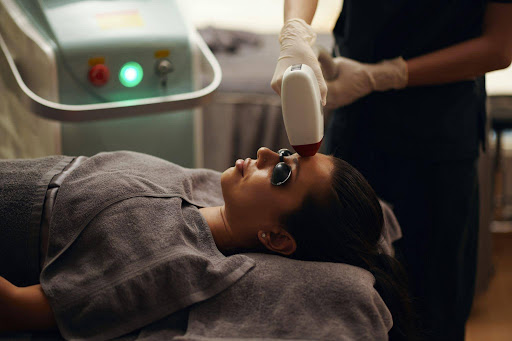
For those looking for a more advanced solution, laser treatments are a popular and effective option. These treatments use focused light to target and break down the melanin in the skin, helping to reduce the appearance of dark spots and promote overall skin renewal.
| Treatment Type | How It Works | Ideal For |
| Fractional CO2 Laser | Stimulates collagen and removes damaged skin layers. | Severe pigmentation and scarring |
| Q-Switched Nd: YAG Laser | Targets melanin directly to reduce dark spots. | Mild to moderate pigmentation |
| Picosecond Laser | Works by breaking down melanin particles with ultra-short-pulse light. | Stubborn pigmentation that doesn’t respond to other treatments |
Microneedling, also known as collagen induction therapy, uses tiny needles to create micro-injuries in the skin. This stimulates collagen production and helps the skin heal faster. It also enhances the effectiveness of topical treatments, making it a great option for treating acne scars and pigmentation.
With so many treatment options available, it’s important to choose a clinic that offers safe, professional, and customised care for your skin. Here’s what doctors from Petals Health, a reputable clinic offering dermatological services in Kolkata, place their focus upon:
Every patient’s skin is unique, so the treatment plan should be personalised specifically to your needs. A proper consultation should involve analysing your skin’s condition and understanding your skincare history before recommending a treatment.
Clinics should only use products and treatments that are clinically proven to be safe and effective. This includes professional-grade peels, lasers, and prescription-strength creams.
After treatments like chemical peels or lasers, your dermatologist should provide proper aftercare instructions. This includes advice on sun protection, moisturising, and avoiding harsh chemicals that could aggravate your skin.
Acne pigmentation may take time to fully fade, so regular check-ups are essential to track progress and make any necessary adjustments to your treatment plan.
Post-acne pigmentation can be frustrating, but with the right treatment and care, your skin can look as vibrant as ever.
Petals Health, a clinic offering dermatological services in Kolkata, is here to guide you on your skincare journey with safe, professional treatments that give you lasting results. Don’t let those pesky dark spots hold you back—your journey to clear skin starts now.
Book a consultation today.
Fitness
Health Clinic
Gynecology
Pregnancy
Diabetes
Health
Paediatrics
Health Tips
Arthritis
Allergy and Asthma
Menstrual Health
general
other
Cardiology
Geriatrics
Gastrointestinal
woman and child care
Infertility
Health Checkup
Cosmetic Gynaecology
Hymenoplasty
dermatology treatments
IVF Treatment
Fertility Treatment
Vaginal Rejuvenation
Vaginal Tightening
Aesthetic Treatment

From the Desk of PDG | Honorary Medical Director
Welcome to Petals Health Clinics, a modern family clinic chain designed around Families.
As your partners in health, we take pride in fostering a warm, family-centred environment where every individual feels heard, respected, and cared for.
Our primary focus is on building and sustaining healthy families. We believe that prevention is the cornerstone of good health, and we are dedicated to helping you take proactive steps toward a vibrant and fulfilling life. Through preventive healthcare, regular disease screenings, early detection, and health education, we strive to empower you with the knowledge and tools to make informed decisions about your well-being.
Whether it’s routine checkups, guidance on managing chronic conditions, or personalized advice on lifestyle and wellness, our team is here to partner with you on every step of your health journey.
Thank you for trusting us to be a part of your family’s health story. Together, we can build a foundation for lasting health and happiness.



 Ask a Doctor
 9147405955


