April 25, 2026 | by Admin
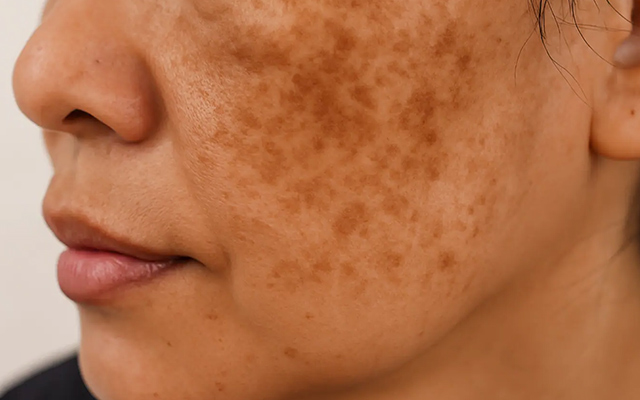
Let’s talk about something almost everyone has dealt with at some point—dark spots that just refuse to leave your face alone.
You try creams, home remedies, random Instagram hacks… and for a few days, things look better. Then boom—they’re back again.
That’s because hyperpigmentation isn’t just a surface issue. It’s a skin condition that needs the right treatment, not just trial and error.
If you’ve been looking for a clinic specialising in dermatology treatments in Kolkata, Petals Health offers targeted, medically guided solutions that go beyond temporary fixes.
Let’s break this down in a way that actually helps you understand what’s happening with your skin—and what actually works.

Hyperpigmentation = patches of skin becoming darker than the surrounding area.
This happens due to excess production of melanin, the pigment responsible for your skin colour.
Now the real question—why does melanin suddenly go into overdrive?
This is because your skin is reacting to something.
Not all pigmentation is the same. And that’s where most people go wrong—they treat everything the same way.
Different cause = different treatment.
Let’s be honest.
Most products you try:
And sometimes? They make it worse.
Because without understanding:
…it’s just guesswork.
Here’s where things get interesting.
Dermatology treatments don’t just “lighten” the skin—they:
In short, they treat the cause, not just the appearance.
Let’s talk about what actually works in real life.
Chemical peels use safe acids to:
They’re especially effective for:
Laser Treatment: Precision at Its Best
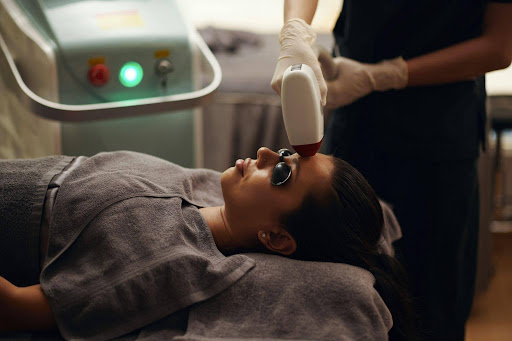
Laser treatments target pigment directly.
They:
Best for:
This treatment:
Think of it as a “skin refresh.”
Dermatologists may prescribe:
These work gradually but effectively when used correctly.
Here’s something most people don’t realise:
👉 Two people can have similar-looking pigmentation
👉 But completely different causes
Which means:
This is why consulting a clinic specialising in dermatology treatments in Kolkata, like Petals Health, ensures your treatment is personalised to your skin—not imitated from someone else’s routine.
Let’s set realistic expectations.
Consistency matters more than speed.
This one’s important.
People start treatment… see slight improvement… and then stop.
That’s like going to the gym for 5 days and expecting lifelong results.
Hyperpigmentation requires:
You can spend thousands on treatments.
But if you skip sunscreen?
👉 Pigmentation comes back.
UV exposure:
So yes—sunscreen is not optional.
Let’s be real.
Some types can be significantly reduced or cleared.
Others (like melasma) may require ongoing maintenance.
But with the right approach:
And honestly—that’s what most people want.
If you:
…it’s time to stop guessing and start treating.
Let’s compare quickly:
Home remedies:
Dermatology treatments:
The difference? Precision.
This isn’t just about skin.
Hyperpigmentation affects:
Many people:
And that’s exhausting.
Hyperpigmentation isn’t something you fix overnight.
It’s something you treat correctly.
With the right diagnosis, treatment plan, and consistency, your skin can improve significantly.
If you’re looking for a clinic specialising in dermatology treatments in Kolkata, consulting experts at Petals Health can help you move from trial-and-error to real, visible results.
Clear skin isn’t luck, it’s the right treatment.
Book an appointment today.
Laser treatments and chemical peels are among the fastest options, depending on the depth and type of pigmentation.
Yes, especially if sun protection and maintenance care are not followed consistently.
Most dermatology treatments are safe when customised according to skin type and performed by professionals.
It varies based on severity, but most treatments require multiple sessions for optimal results.
Yes, many dermatology treatments can target both acne scars and pigmentation simultaneously.
A dermatologist is the right specialist to diagnose the cause of pigmentation and recommend appropriate treatments.
Yes, treatments like chemical peels, topical medications, and medical facials can effectively reduce pigmentation without laser.
Yes, vitamin C is known to brighten skin, reduce dark spots, and improve overall skin tone when used consistently.
Most treatments cause minimal discomfort, and procedures like laser or peels are generally well-tolerated with proper care.
Regular use of sunscreen, avoiding excessive sun exposure, and following a proper skincare routine can help prevent worsening.
Home remedies may offer mild improvement, but they are usually not effective for deeper or stubborn pigmentation.
Stress can indirectly contribute by affecting hormones and skin health, which may worsen certain types of pigmentation, like melasma.
Some types can be cleared significantly, but conditions like melasma may need ongoing maintenance.
A dermatologist can assess the depth using clinical examination or tools like a Wood’s lamp.
Ingredients like retinoids, azelaic acid, niacinamide, kojic acid, and vitamin C are commonly recommended.
Yes, sunscreen is essential as UV exposure can worsen pigmentation and reverse treatment results.
Fitness
Health Clinic
Gynecology
Pregnancy
Diabetes
Health
Paediatrics
Health Tips
Arthritis
Allergy and Asthma
Menstrual Health
general
other
Cardiology
Geriatrics
Gastrointestinal
woman and child care
Infertility
Health Checkup
Cosmetic Gynaecology
Hymenoplasty
dermatology treatments
IVF Treatment
Fertility Treatment
Vaginal Rejuvenation
Vaginal Tightening
Aesthetic Treatment

From the Desk of PDG | Honorary Medical Director
Welcome to Petals Health Clinics, a modern family clinic chain designed around Families.
As your partners in health, we take pride in fostering a warm, family-centred environment where every individual feels heard, respected, and cared for.
Our primary focus is on building and sustaining healthy families. We believe that prevention is the cornerstone of good health, and we are dedicated to helping you take proactive steps toward a vibrant and fulfilling life. Through preventive healthcare, regular disease screenings, early detection, and health education, we strive to empower you with the knowledge and tools to make informed decisions about your well-being.
Whether it’s routine checkups, guidance on managing chronic conditions, or personalized advice on lifestyle and wellness, our team is here to partner with you on every step of your health journey.
Thank you for trusting us to be a part of your family’s health story. Together, we can build a foundation for lasting health and happiness.



 Ask a Doctor
 9147405955


